
Should you build an in-house CRO team or go fractional?
What we found
An in-house CRO team is 4 hires, not 1: a designer, developer, analyst and project manager. It pays off once you have developers, product owners and ecommerce owners to work with. Until then, a fractional team runs the tests and trains your people to take over.
CRO, short for conversion rate optimization, is the work of getting more of your current visitors to buy, sign up or call, and proving each change with an A/B test. When a company decides to take it seriously, the first question is usually who should do the work: a full-time hire, or a fractional team that works with you part of the time.
I have built CRO teams inside companies and run them from the outside, and I think the answer depends less on cost than on the size of the team around you. A full-time CRO hire only works when there are people to work with. This guide covers what an in-house CRO team really takes, what it costs, when it is the right call, and how a fractional team can get you there.
An in-house CRO team is 4 hires, not 1
Most companies picture 1 new person: a CRO specialist who finds problems and runs tests. In practice, every test needs 4 kinds of skill, and going in-house means hiring for all of them:
- A designer to turn each idea into a variation people can see.
- A developer to build the variation in your testing tool and implement the winners.
- An analyst to set up tracking, read the results and decide when a test is done.
- A project manager to keep the roadmap moving and the tests from colliding.
1 person rarely covers all 4. Most CRO specialists are strong at research and analysis. Few are also strong designers and developers. So a single hire often becomes 1 person plus whoever they can borrow from other teams, and borrowed time is the first thing to disappear when a launch or a sale comes up.
The 4 roles cost about $431,000 a year in salaries
Using US Glassdoor averages compiled by Convertcart in August 2026, a UX designer earns $108,393 a year, a front-end developer $124,100, a data analyst $93,454 and a project manager $104,759. Together that is about $431,000 a year, or about $35,900 a month, before benefits, testing tools and recruiting. A CRO manager to lead the team adds $85,000 to $120,000 a year, according to Elsner’s 2026 estimate.
Hiring also takes time. Elsner puts the ramp for an in-house program at 3 to 6 months before it has impact. A fractional team is already staffed, so the first test can run within 2 weeks.
Every test needs 5 steps, and each option covers a different share
Whoever does the work, every A/B test moves through the same 5 steps: research, design, build, QA and measurement. The difference between your options is how many of those steps they cover and how much they leave for your team.
- A single full-time hire usually covers research and measurement, and borrows the rest.
- A full in-house team covers all 5, once all 4 roles are hired.
- A fractional or embedded CRO team covers all 5 from the first month, and works inside your tools and meetings.
We compare the costs, time to first test and monthly test volume of each option on our page about agencies, in-house teams and embedded teams. If you are still deciding what the program should test first, start with How to build a CRO strategy.
1 person doing every job lets something slip
I have worked as a CRO consultant, and I know how many hats 1 person ends up wearing. When the same person handles the research, design, analytics and test builds, something slips: a design gets rushed, tracking goes unchecked, or the list of new test ideas runs dry. A team with a specialist in each role outperforms 1 person doing it all, for 3 reasons.
- Each role gets real depth. I can build tests, but my development skills were nothing next to my senior developer’s. He built the same test I had written with no flicker (the moment visitors see the original page before the new version loads), and with more reliability and functionality. Visitors got the experience we designed, not just the look of it.
- Someone else checks the work. No one should QA their own test. A second person catches a broken layout or missing tracking before visitors see it.
- More people bring more ideas. A designer, developer and analyst each notice different problems, so the list of tests to run stays full.
That is the case for a team, whether you hire every role or bring in a fractional one. The real question is whether you have enough work, and enough people around the team, to justify hiring all 4.
In-house wins on speed inside the company
An in-house team has a real advantage, and I do not want to undersell it. The people sit in the same meetings as your product, marketing and ecommerce owners. A question gets answered in a hallway, not a weekly call. A winning test gets implemented faster because the developer who built it is down the hall from the person who approves it.
That quick internal collaboration is the reason most companies should end up with some testing ability in-house. Testing works best when it becomes part of how the company makes decisions, not a project someone else runs.
Convert compares agency, freelance and in-house CRO, and recommends building in-house once testing has proven its impact, because knowledge stays in the business and context compounds over time.
Daphne Tideman May 2026 · www.convert.com ↗
Our experience lines up: in-house wins once the internal team is in place, and the fractional stage is where that team learns to test.
Go in-house once you have developers, product owners and ecommerce owners
Here is the test I use. An in-house CRO team pays off when the rest of the team is already in place:
- Internal developers who can implement winning tests on your site.
- Product owners who can approve changes and set priorities.
- Marketing and ecommerce owners who own the traffic, the offers and the revenue goals.
With those people in place, a CRO team has someone to collaborate with every day, and the speed advantage is real. Without them, a new CRO hire has no one to hand work to, and the tests stall between a good idea and a live page. In that case, a fractional team gets you running sooner and costs less than building all 4 roles at once.
3 published tests show what a running program produces
Whichever team you choose, the goal is the same: a steady run of tests that each teach you something. These 3 come from programs we ran for clients, published with the details removed.
Moving email and phone to 1 step lifted lead conversion 56%
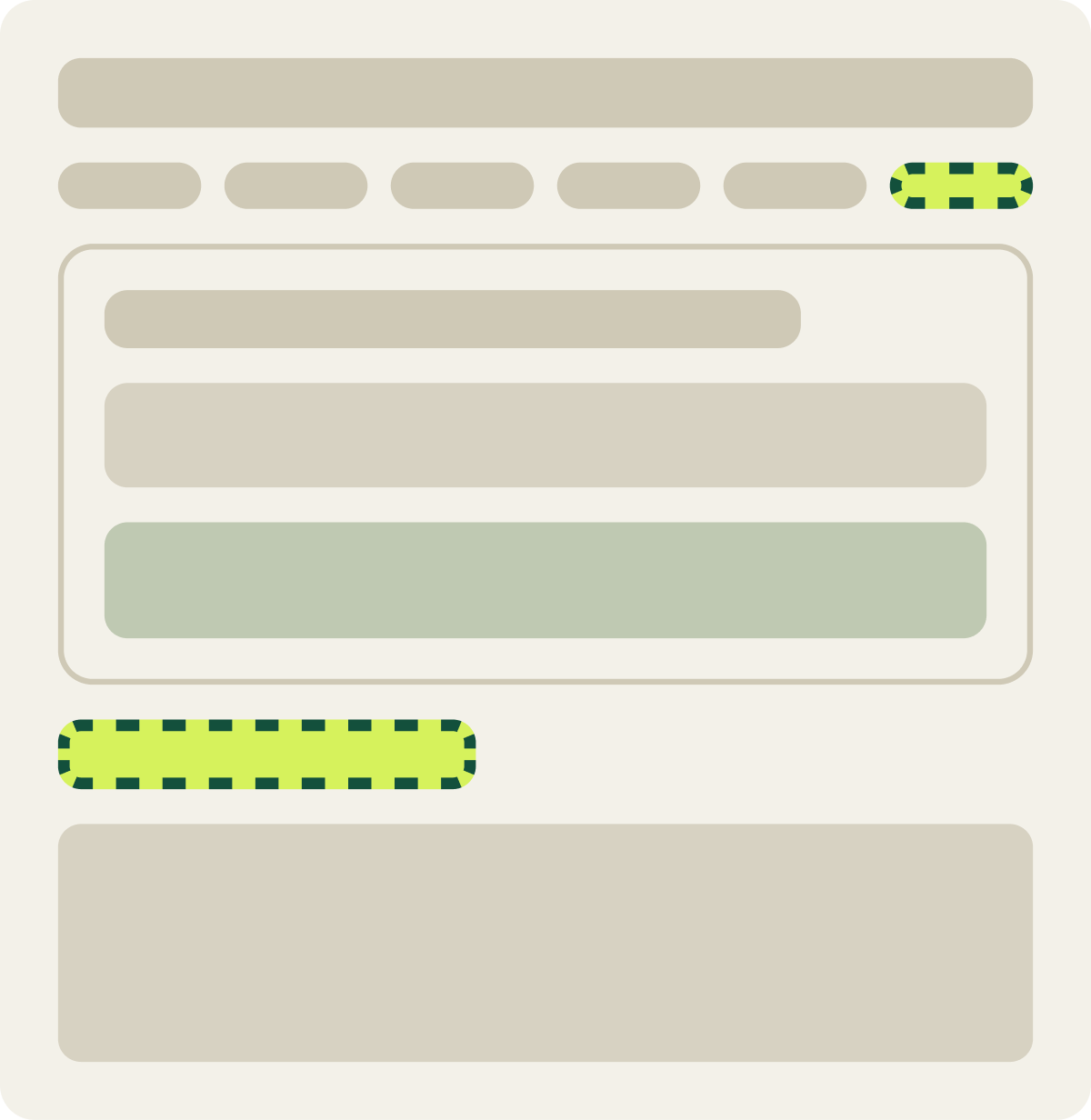
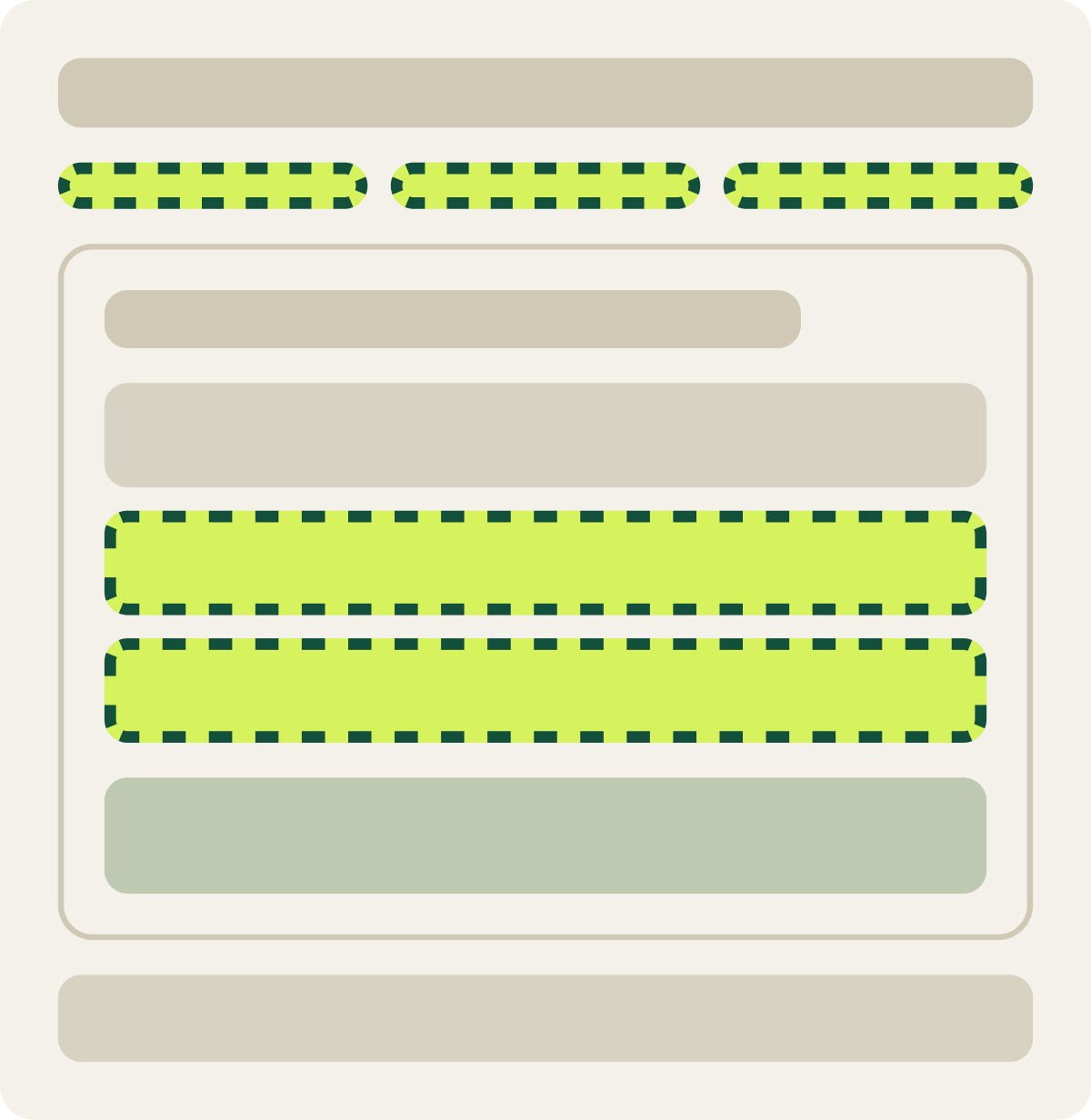
A multi-step lead form asked for email and phone on their own later steps, even though they are contact details just like the name. We tested 3 ways to group them with the first contact step. Moving both onto that step lifted conversion 56% over 29 days.
Evidence · Lead form · Won
Does moving email and phone onto the first contact step lift leads?
29 days · responsive · We moved email and phone onto the first contact details step.


+56.0% conversion
Read the full testThe takeaway: every extra step is a chance to drop off. A full-time hire might find this in an audit. Getting it built, tested and implemented took design, development and analysis working together.
Rewriting a disclaimer as a positive claim lifted conversion 14.3%
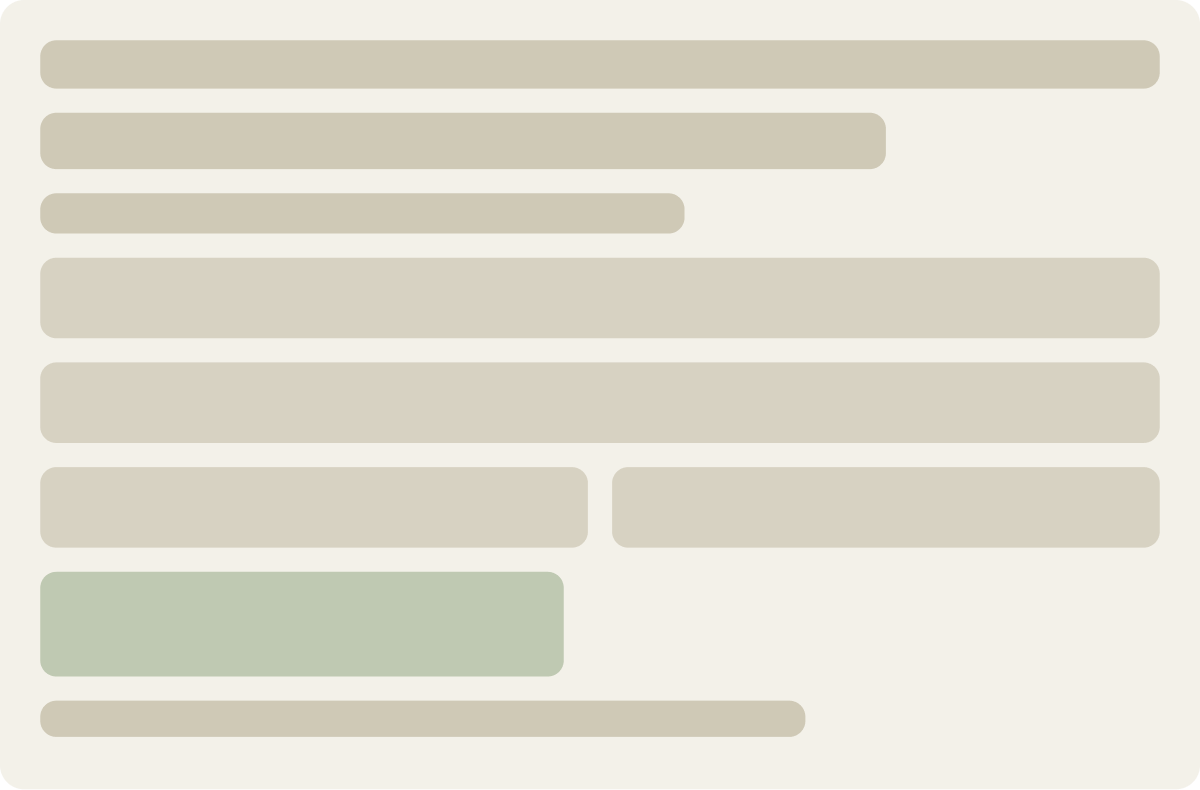
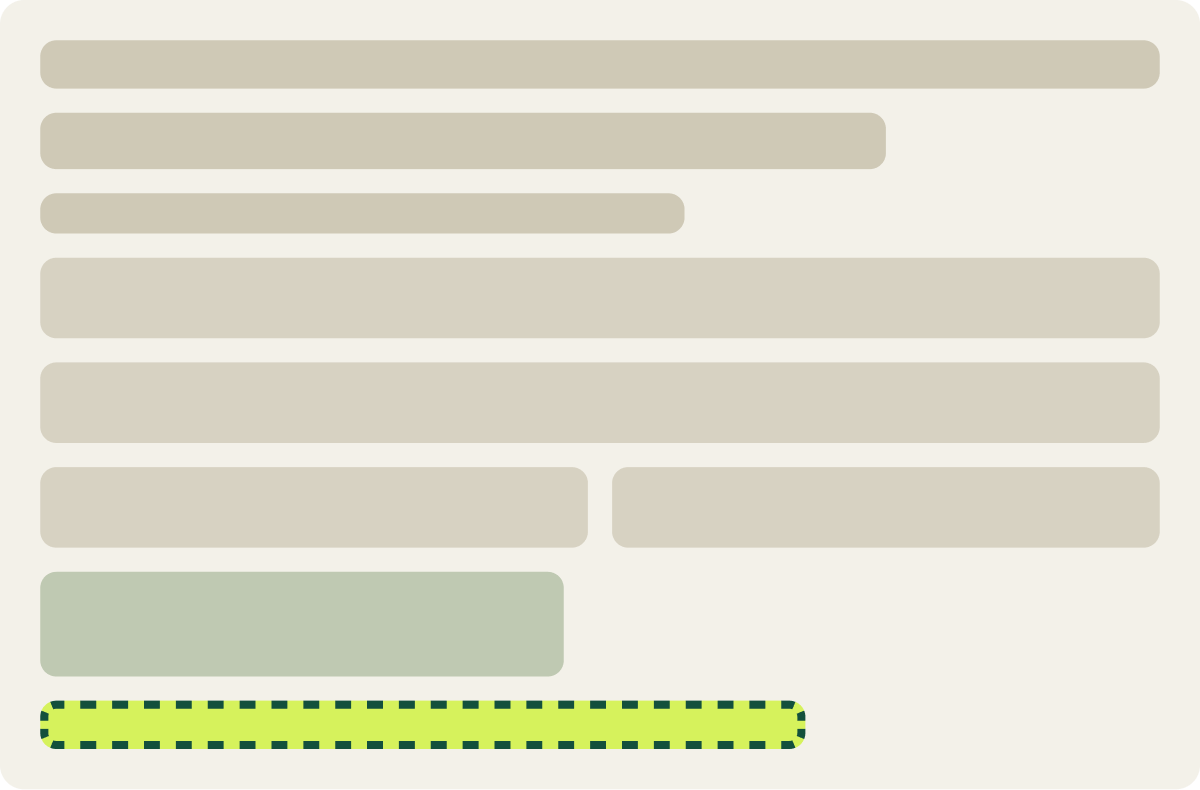
A lead form carried a standard disclaimer, the fine print most visitors skip. We rewrote it as a positive claim that explained the program quickly, and tested removing the logo too. The positive claim lifted conversion 14.3% and revenue per visitor 13.2% over 21 days.
Evidence · Lead form · Won
Does turning a disclaimer into a positive claim lift lead conversion?
21 days · responsive · We rewrote the disclaimer as a positive claim about the program.
+14.3% conversion, +13.2% lead value per visitor
Read the full testThe takeaway: words that sit on the page anyway can do more work. Tests like this are cheap to build, which is why a team that runs many tests finds them and a team that runs a few does not.
Star ratings in checkout lifted desktop conversion 22.3%
A desktop checkout used a different header from the rest of the site and showed no reviews. We tested 3 ways to build trust there: less clutter, a matched header and star ratings. Adding star ratings lifted conversion 22.3% over 16 days.
Evidence · Checkout · Won
Do star ratings in checkout lift desktop conversion?
16 days · desktop · We tested 3 checkout changes: less clutter, a matched header, stars.


+22.3% conversion
Read the full testThe takeaway: this win built on an earlier one, where star ratings helped higher in the funnel. Each test carries a lesson to the next page, and that record is what a program is worth.
An in-house CRO team is 4 hires, not 1. Build it when the rest of the team is ready, and use the time before that to learn.
The best fractional teams leave a testing culture behind
Where I have seen fractional work succeed most is not in the tests alone. It is in working side by side with the internal team: teaching the strategy behind CRO and UX, running training sessions, and bringing their developers, designers and ecommerce owners into each test. When we step back, they keep the momentum and the culture going.
So the choice is not always fractional or in-house. For many companies it is fractional first, while the internal team grows, then in-house once the developers, product owners and ecommerce owners are in place. If you are comparing outside partners for that first stage, see How to choose a CRO agency, or see how our conversion rate optimization work runs inside your team.
Ask these 4 questions before you choose
- Who will implement the winners? If no one inside can put a winning test on the live site, an in-house hire will stall.
- Do we have product, marketing and ecommerce owners to work with every day? If yes, in-house speed pays off. If not, start fractional.
- How many tests do we need each month? 1 person running 1 or 2 tests a month learns slowly. A team covering all 5 steps runs several at once.
- Who will own the learning when the outside team leaves? Ask any fractional partner how they train your people, and what your team will be able to run on its own.
Frequently asked questions
What is a fractional CRO team?
A fractional CRO team is an outside conversion rate optimization team that works with your company part of the time. It covers research, design, build, QA and measurement for your A/B tests, inside your tools and meetings, without you hiring each role full time.
How does a fractional CRO team differ from a full-time CRO hire?
A full-time CRO hire is 1 person who usually covers research and analysis and borrows design and development from other teams. A fractional CRO team covers every step of a test from the first month, with a specialist in each role and someone other than the builder doing QA. The full-time hire is faster at internal collaboration; the fractional team is faster to start and covers more skills.
How much does an in-house CRO team cost?
Using US Glassdoor averages from August 2026, a designer, developer, analyst and project manager together earn about $431,000 a year, or about $35,900 a month, before benefits, tools and recruiting. A CRO manager to lead them adds about $85,000 to $120,000 a year.
When should a company build an in-house CRO team?
Build in-house once you have internal developers who can implement winning tests, product owners who can approve changes, and marketing and ecommerce owners who own the traffic and revenue goals. Without them, a CRO hire has no one to hand work to.
Can a fractional CRO team train our in-house staff?
Yes, and the good ones plan for it. Ask how they will bring your developers, designers and ecommerce owners into each test, and what training they run, so your team can keep testing after the engagement ends.
The evidence
The 3 tests this article leans on
Evidence · Lead form · Won
Does moving email and phone onto the first contact step lift leads?
+56.0% conversion
Read the full testEvidence · Lead form · Won
Does turning a disclaimer into a positive claim lift lead conversion?
+14.3% conversion, +13.2% lead value per visitor
Read the full testEvidence · Checkout · Won
+22.3% conversion
Read the full test