
Articles / Ecommerce and Shopify
Should collection cards show reviews, price, or both?
What we found
Simpler cards won. Shoppers preferred cards without star ratings by 15.6% and without extra details by 16.5%, while a single star rating at the top of the page lifted conversion 11.3%.
A product card on a collection page has 1 job: get the click to the right product. In our A/B tests, adding more to each card did not help. Star ratings on every card and richer cards with badges and pack sizes both ran behind the original. A single star rating at the top of the page, on the other hand, lifted conversion 11.3%.
So keep the card simple, and put trust signals where they cover the whole page. Here is what the 3 tests show.
A card has 1 job
Shoppers scan a collection page fast. Each card gets a glance, and in that glance the shopper decides whether to tap. The image, the name and the price do most of that work. Every line added to a card makes the grid taller and harder to scan.
That does not mean ratings do not matter. Baymard Institute found that shoppers chose a 4.5-star product with 57 ratings over a 5-star product with 4 ratings nearly 2 to 1. Ratings carry weight. The question is where they do the most good.
Shoppers preferred cards without star ratings, by 15.6%
On 1 store, collection cards showed an image, name and price. Many products had reviews, but the ratings showed only on the product page. We added a row of stars under each reviewed product. A testing tool limit meant only the first 16 products in each collection got stars.
Shoppers preferred the original. Over 15 days, conversion fell 15.6% and revenue per visitor fell 27%. The numbers swung a lot from week to week and none of the drops reached our confidence bar, so we paused the test.
Evidence · Collection page · Not significant
Do star ratings on collection listings lift conversion?
15 days · responsive · We added star ratings under the first 16 products on collections.

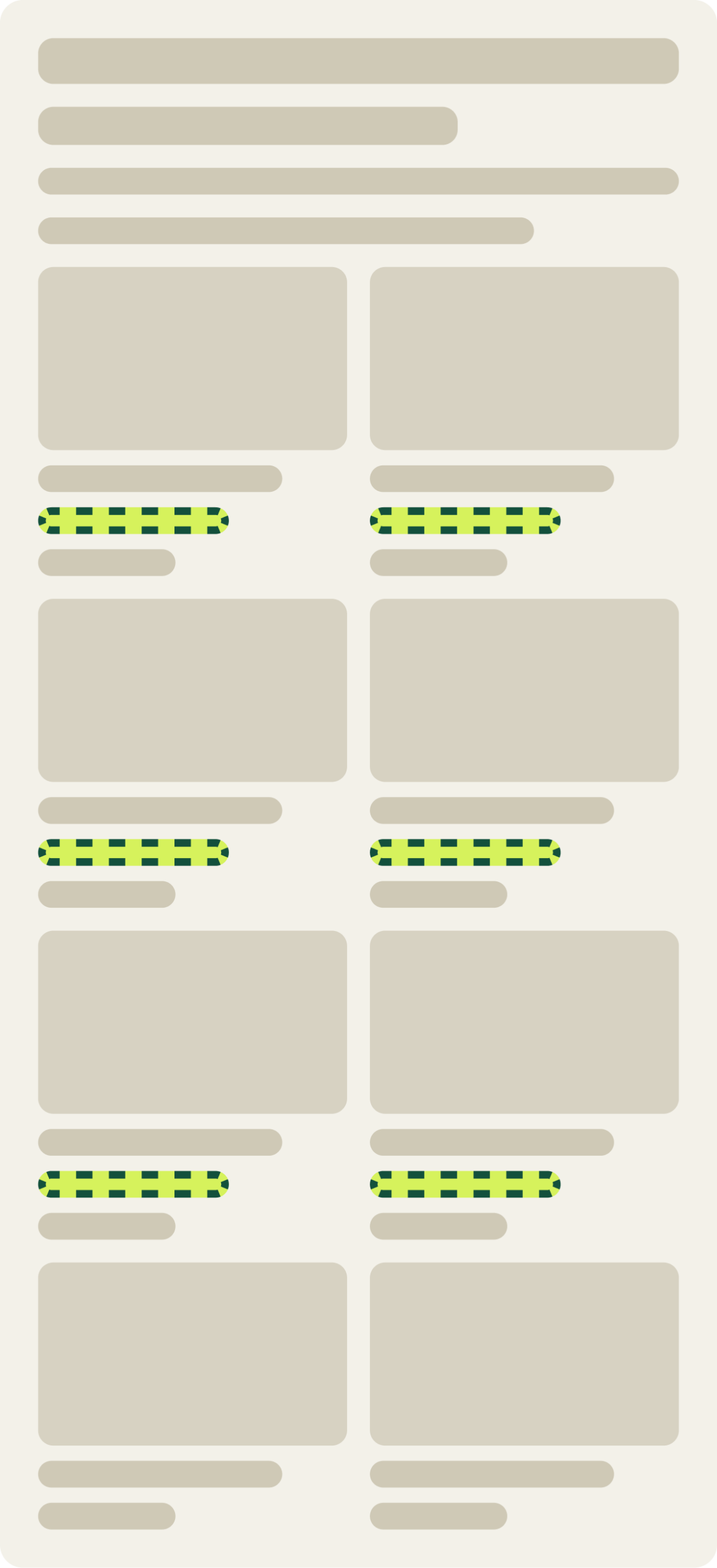
-15.6% conversion, -27.0% revenue per visitor
Read the full testWith stars added, each card carried 4 lines of information, which made the grid harder to scan. Stars on only the first 16 products may also have pulled attention away from the rest of the collection. A cleaner rerun would show ratings on every reviewed product without adding height to each card.
Shoppers preferred simpler cards over richer ones, by 16.5%
On another store, many products cost the same and differed only by flavor, but the cards left out pack size, product line and best seller status. We added all of it: a product line badge, pack sizes under the name, “From” before the price, an outline on the best seller, a longer intro and a Shop Now button.
Shoppers preferred the simpler cards. Over 33 days, conversion fell 16.5% and revenue per visitor fell 9.5%, and we paused the test. Order value rose about 8%, so the shoppers who did buy spent more, but fewer of them bought. New visitors on mobile drove the drop.
Evidence · Collection page · Lost
Do richer product cards lift collection page conversion?
33 days · responsive · We added badges, pack sizes and a from price to every product card.

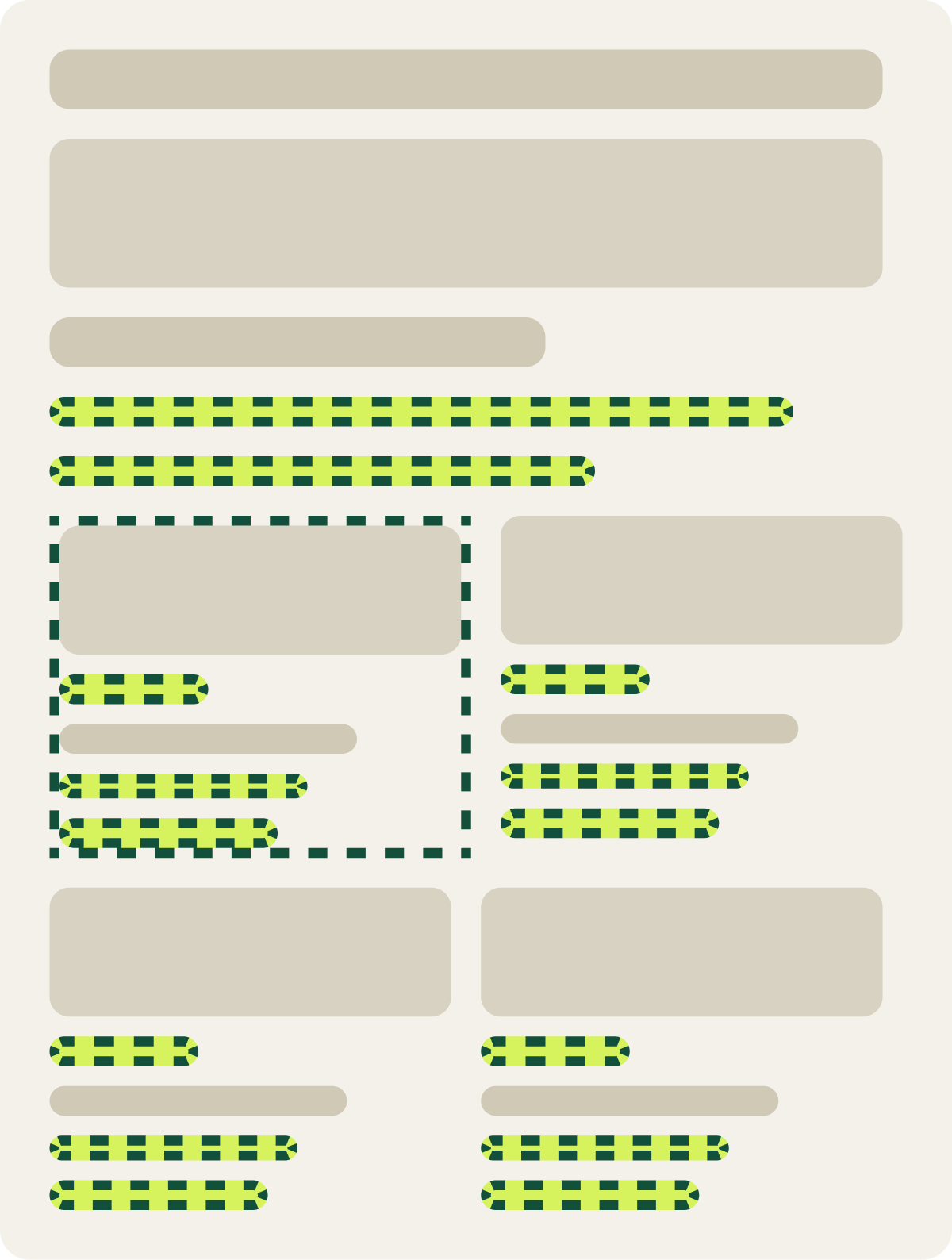
-16.5% conversion, -9.5% revenue per visitor
Read the full testThe extra detail helped returning shoppers who already knew the range. For new shoppers on a phone, busier cards meant more to read before choosing. Most traffic was new and on mobile, so fewer orders outweighed the bigger baskets.
A star rating at the top of the page lifted conversion 11.3%
On a third store, the busiest collection pages opened with category copy. We tested 2 kinds of proof in that spot: a hand-picked customer review with the buyer’s photo, and the site’s overall star rating.
The star rating won. Over 33 days, conversion rose 11.3% across devices, and the lift held week after week. The single review showed little effect. Revenue per visitor fell 7.5%, so orders were smaller on average, and that is the number to watch after implementing.
Evidence · Collection page · Won
Does a star rating at the top lift collection page conversion?
33 days · responsive · We added social proof to the top of 5 busy collection pages.



+11.3% conversion, -7.5% revenue per visitor
Read the full testA star rating at the top gave shoppers a fast signal about the whole store, without adding a line to every card. A category rating near the top of a mobile collection page did the same on another store, lifting conversion 9.1% (see the test).
A big move tells you the element matters
Card changes moved conversion by 15.6% and 16.5% in our tests. Moves that big say shoppers care a lot about what the card shows. The next test tries a different direction, such as moving the proof to the top of the page.
What to keep on the card, and what to move
- Keep: a clear image, the product name and the price. These are what shoppers use to choose from the grid.
- Move up: star ratings. Show 1 rating for the store or category at the top of the page, where it covers every product.
- Test before adding: ratings on each card. If you do, show the review count with the stars and keep the card the same height.
- Leave on the product page: pack sizes, product lines and long descriptions, unless your shoppers are mostly returning customers who compare details.
- Watch order value: card and page changes moved revenue per visitor and order value in different directions in all 3 tests.
Before adding anything to a card, I would watch shoppers browse the page. Analytics shows which cards get the clicks. Usability testing shows what shoppers look for before they tap.
For the rest of the collection page, see Ecommerce category page design: what our A/B tests show. For more on proof that answers doubts, see Which social proof examples actually lift conversion?
Keep the card simple. Put the proof where it covers the whole page.
Shown 2 otherwise identical list items, shoppers chose a 4.5-star product with 57 ratings over a 5-star product with 4 ratings nearly 2 to 1. Baymard advises always showing the rating count in product lists.
Edward Scott 2023, updated 2025 · baymard.com ↗
Our tests add placement: a single rating at the top of the page beat adding stars to every card.
Frequently asked questions
Should I show star ratings on collection pages?
Show them where they cover the whole page. In our tests, a store star rating at the top of the page lifted conversion 11.3%, while stars added to each card ran 15.6% behind.
Should product cards show the price?
Yes. The image, name and price are what shoppers use to choose from the grid. Keep those, and test anything you add on top.
What should a product card include?
A clear image, the product name and the price. In our test, adding badges, pack sizes and a longer intro cut conversion 16.5%.
Do review counts matter on product cards?
Yes. Baymard found shoppers chose a 4.5-star product with 57 ratings over a 5-star product with 4 ratings nearly 2 to 1. If you show stars on cards, show the count too.
Can too much on a product card hurt sales?
Yes. Richer cards lowered conversion 16.5% in our test, mostly among new visitors on mobile. Busier cards mean more to read before choosing.
The evidence
The 3 tests this article leans on
Evidence · Collection page · Not significant
-15.6% conversion, -27.0% revenue per visitor
Read the full testEvidence · Collection page · Lost
-16.5% conversion, -9.5% revenue per visitor
Read the full testEvidence · Collection page · Won
Does a star rating at the top lift collection page conversion?
+11.3% conversion, -7.5% revenue per visitor
Read the full test