
Should you hire a CRO consultant?
What we found
A CRO consultant gives you a plan, but most leave the design, build, QA and implementation to your team. Hire one when you have those people; when you do not, a team that runs the tests delivers results like the 56% lead form lift below.
A conversion rate optimization consultant finds what is costing you sales and tells you what to test first. Most do not build the tests, run them or implement the winners. That part stays with your team. So the real question is not whether a consultant is smart enough. It is whether you have the people to act on what they find.
This guide covers what a CRO consultant does, what one costs, how that compares with a full-time hire, and the 5 questions to ask before you sign. It also shows 3 published tests, so you can see what a running program actually produces.
A CRO consultant does 4 jobs, and building tests is usually not 1 of them
Most CRO consultants work at the strategy end of the process. A typical engagement covers 4 jobs:
- Audit the site. They review your analytics, funnels and key pages to find where visitors drop off.
- Research why. They use heatmaps, session recordings, surveys or usability tests to explain the drop.
- Build a roadmap. They rank test ideas by likely impact and effort, so you work on the biggest problems first.
- Read the results. They check whether a test really won and what it means for the next one.
What they hand back to you is usually the rest: design, front-end build, QA across devices, analytics setup and putting the winner live. Apexure, a CRO firm that publishes consultant pricing, lists writing production code and building pages from scratch as things a consultant does not do.
What you should get at the end
Ask for these deliverables in writing before you start. If a consultant cannot name them, the engagement may end with a slide deck and no next step.
- An audit report that ties each problem to data, not opinion.
- A ranked roadmap of test ideas, with the page, the change and the reason for each.
- Test briefs that state the hypothesis, the main metric and what each variation changes.
- A results readout for every test that runs, including the ones that lose.
That split is fine if you have a designer, a developer and someone who can set up tracking. It is a problem if you do not. A great roadmap that sits in a shared folder lifts nothing.
Consultant, specialist and expert are 3 names for overlapping jobs
You will see these titles used loosely. A CRO consultant usually works from outside your company, on a project or a monthly retainer. A CRO specialist is usually a staff role, part of your own team. “CRO expert” is mostly a marketing label that either one might use. What matters is not the title. It is which parts of the work the person will actually do, and which parts they expect you to do.
If you are new to the field, our introduction to conversion rate optimization explains the basic process before you hire anyone.
A CRO consultant costs $75 to $250 an hour
Freelance CRO consultants charge about $75 to $250 an hour, according to Apexure’s 2026 pricing guide. Those who work on retainer charge about $5,000 to $10,000 a month.
Apexure's 2026 guide puts freelance CRO consultants at about $75 to $250 an hour, or $5,000 to $10,000 a month on retainer. It notes that consultants usually do not write production code or build pages from scratch.
Waseem Bashir, updated March 2026 · www.apexure.com ↗
That matches what we see. The plan is rarely the bottleneck. Building, checking and running the tests is.
The rate is only part of the cost. When a consultant hands you a test plan, your team still has to do the work. Count these before you compare quotes:
- Design time for each test variation, often 2 or 3 versions per test.
- Developer time to build the variations in your testing tool and QA them on phones, tablets and desktops.
- Analytics time to make sure the right goals fire and the data is clean.
- Implementation time to put each winner into your site for good.
- Delay. If your developers are busy with other projects, tests wait in line. Every week a test does not run is a week of learning lost.
Here is a simple way to compare. Say a consultant bills 20 hours a month at $150 an hour. That is $3,000. Now add the hours your designer, developer and analyst spend on each test, at what those hours cost you. A consultant can look far cheaper than a team on paper. Once you count your own people’s time, the gap often shrinks, and sometimes it closes.
A full-time CRO specialist costs $120,000 to $150,000 a year
The other common option is to hire a CRO specialist onto your staff. Expect to pay $120,000 to $150,000 a year in salary. That is $10,000 to $12,500 a month before benefits, testing tools and recruiting costs.
A full-time hire has real strengths. They know your business, sit in your meetings and can build testing into how the company makes decisions. Over time, that can change your whole culture around data.
But 1 person rarely covers every role a test needs. Most specialists are strong at research and analysis. Few are also strong designers and developers. In practice, a single hire becomes 1 person plus whoever they can borrow from other teams. Hiring also takes time. Counting the search, it can be 3 to 6 months before the first test runs.
A full in-house team solves the coverage problem, but it costs far more. A 3-person team typically runs $35,000 or more a month, fully loaded.
A consultant usually covers 2 of the 5 roles a test needs
Every test needs research, design, build, QA and measurement. A consultant usually covers research and measurement. A single hire may add 1 more. A CRO agency or an embedded CRO team covers all 5, at different prices and speeds. We lay out all 3 options side by side, with costs, time to first test and monthly test volume, on our comparison of agencies, in-house teams and embedded teams.
3 published tests show what a running program produces
A consultant’s audit is a list of ideas. A program turns those ideas into tested results. The 3 tests below come from our public test archive. Each one started as an idea that a good consultant could have spotted. Each one also needed design, build, QA and careful measurement to prove it.
Moving email and phone to 1 step lifted lead conversion 56%
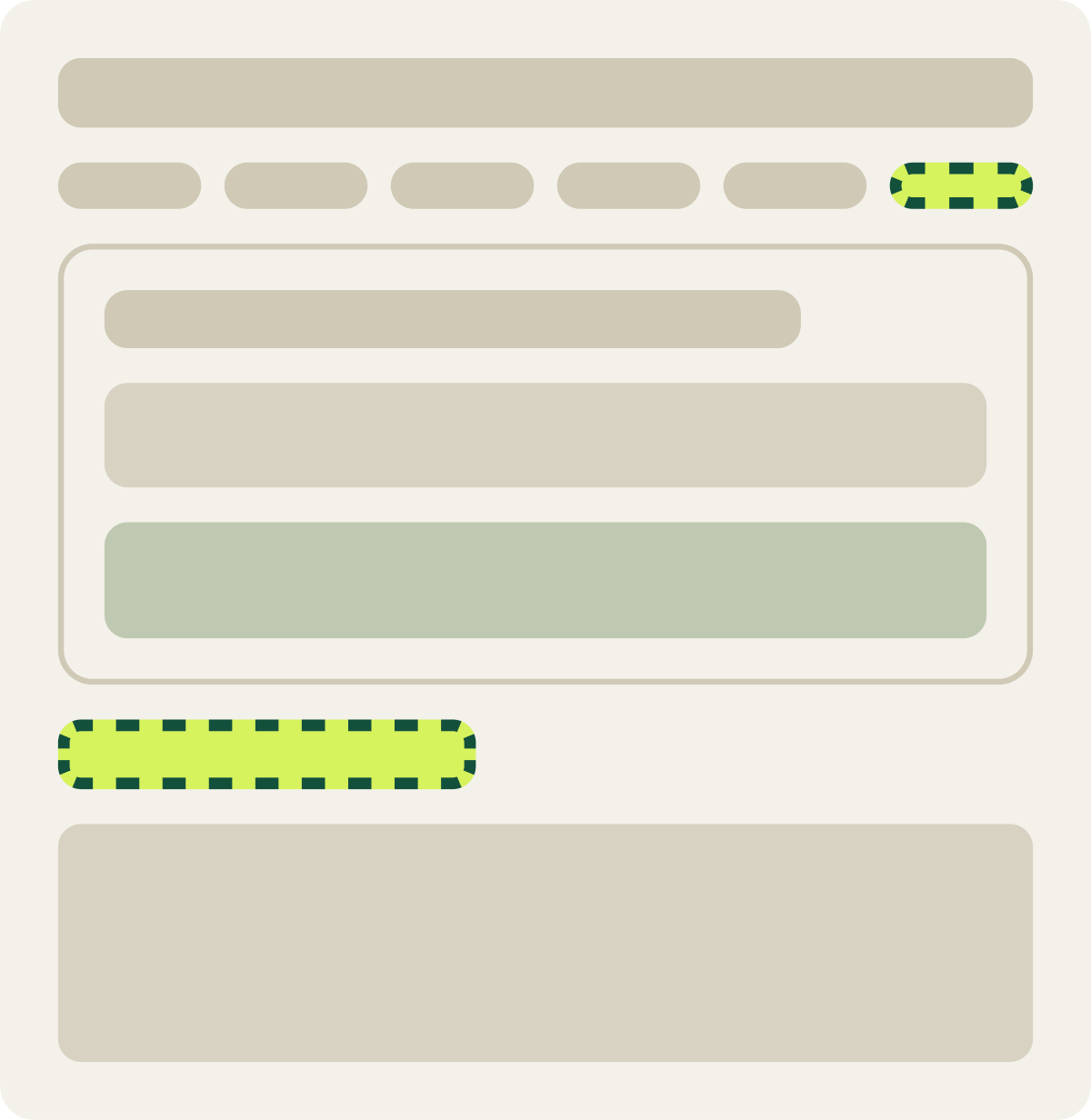
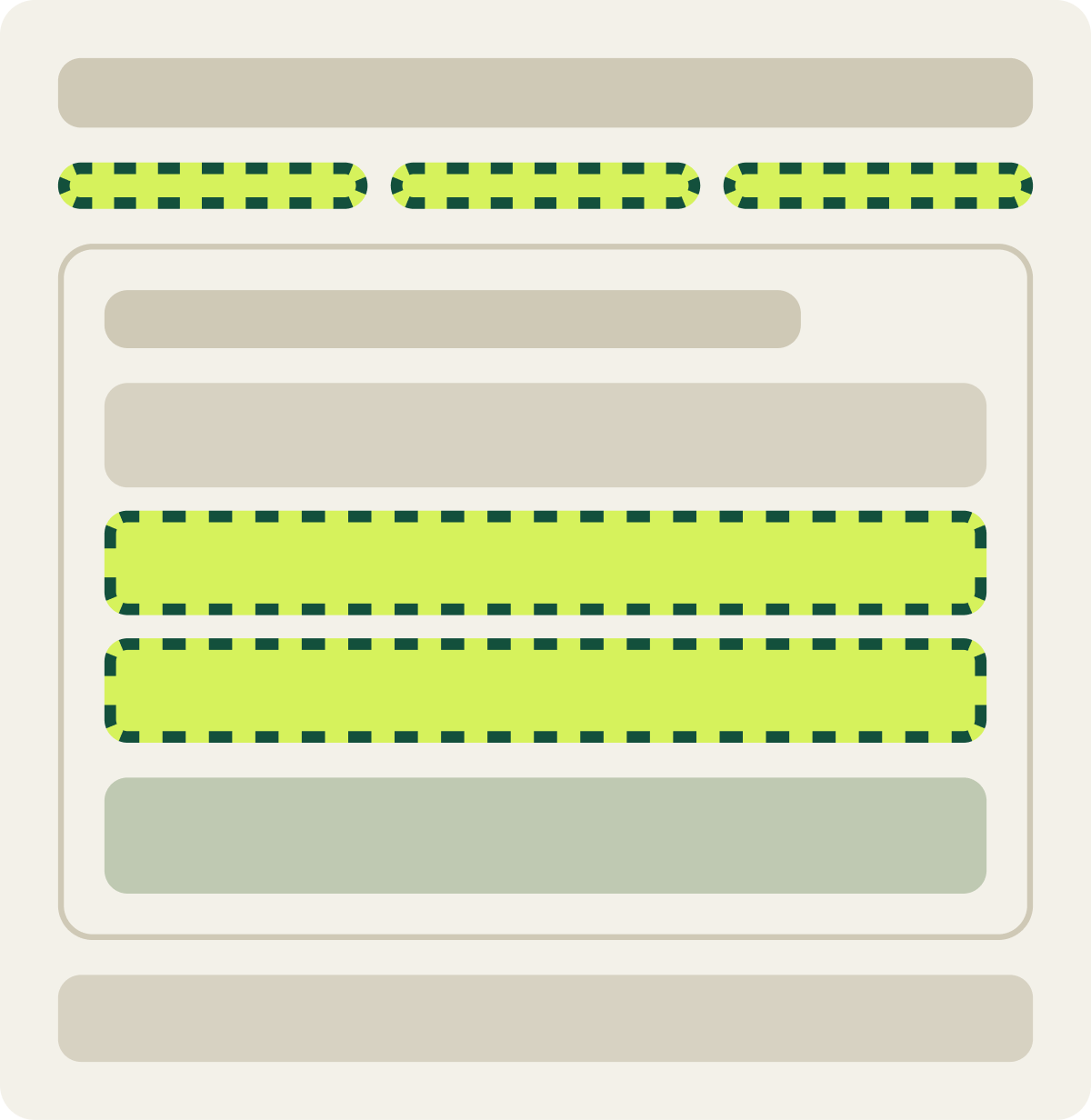
A multi-step lead form asked for a name on 1 step, then email and phone on separate later steps. Every extra step is a chance for visitors to leave. Email and phone are contact details, just like the name, so we tested grouping them.
We built 3 versions. Version A moved email up to the first contact step. Version B put phone and email together on a new step. Version C moved both onto the first contact step, with fewer steps overall. After 29 days, Version C won.
Evidence · Lead form · Won
Does moving email and phone onto the first contact step lift leads?
29 days · responsive · We moved email and phone onto the first contact details step.


+56.0% conversion
Read the full testThe idea is simple to write in an audit. The proof took 3 built variations, cross-device QA and a check that lead quality held up. It did: high-value leads stayed strong while the form got shorter.
This is where a consultant engagement often stalls. The recommendation is clear, but the form lives in a system your developers own, and the test sits in their queue behind other work.
Rewriting a disclaimer as a positive claim lifted conversion 14.3%
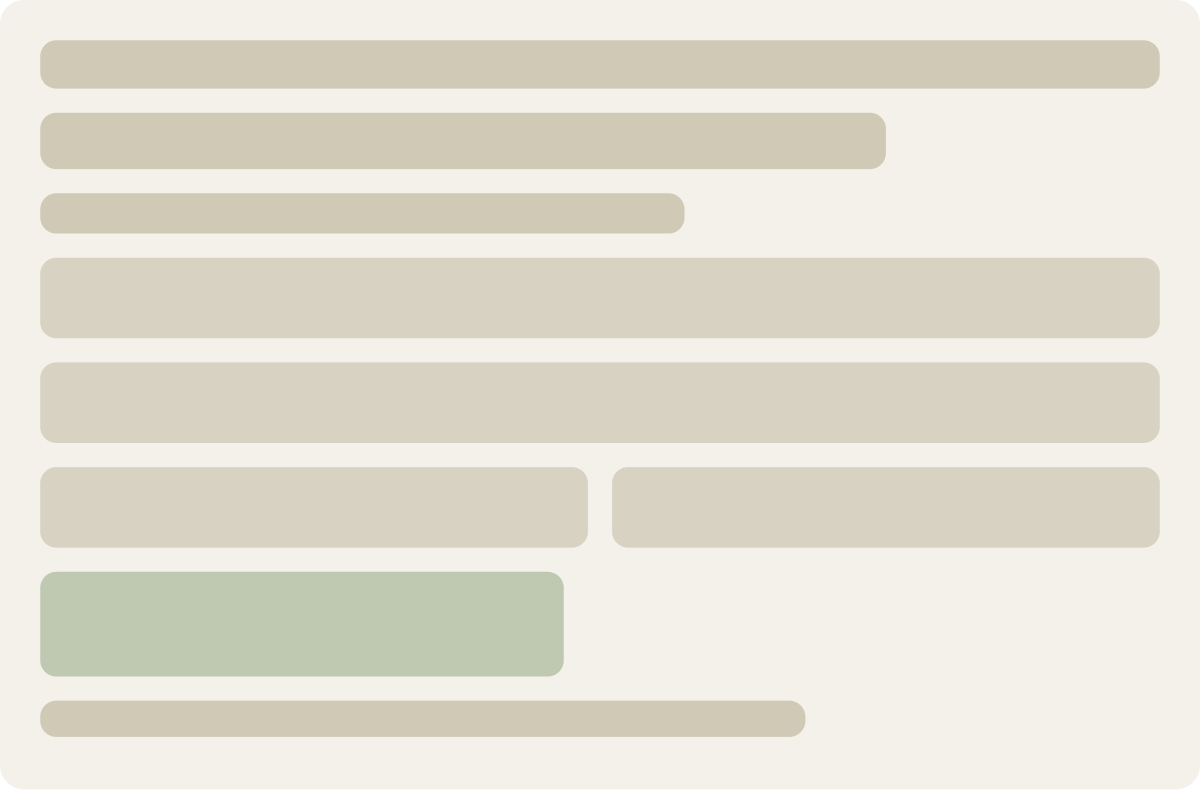
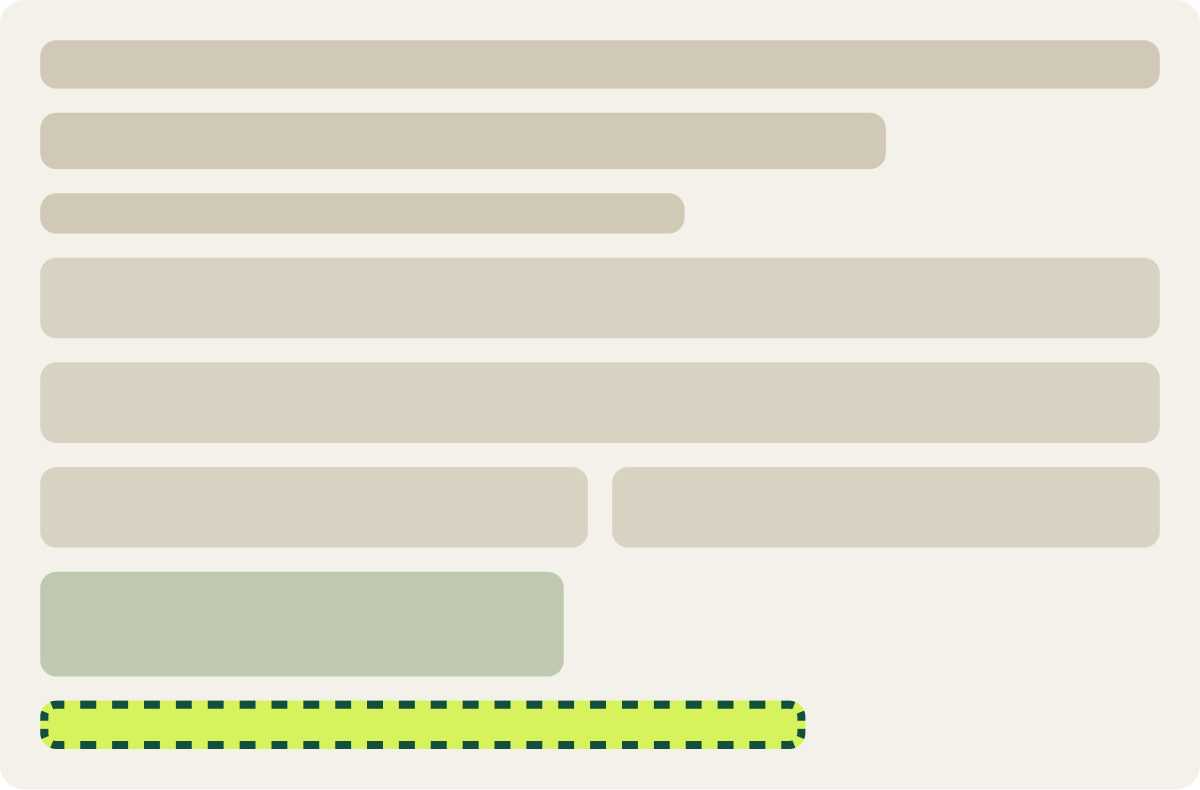
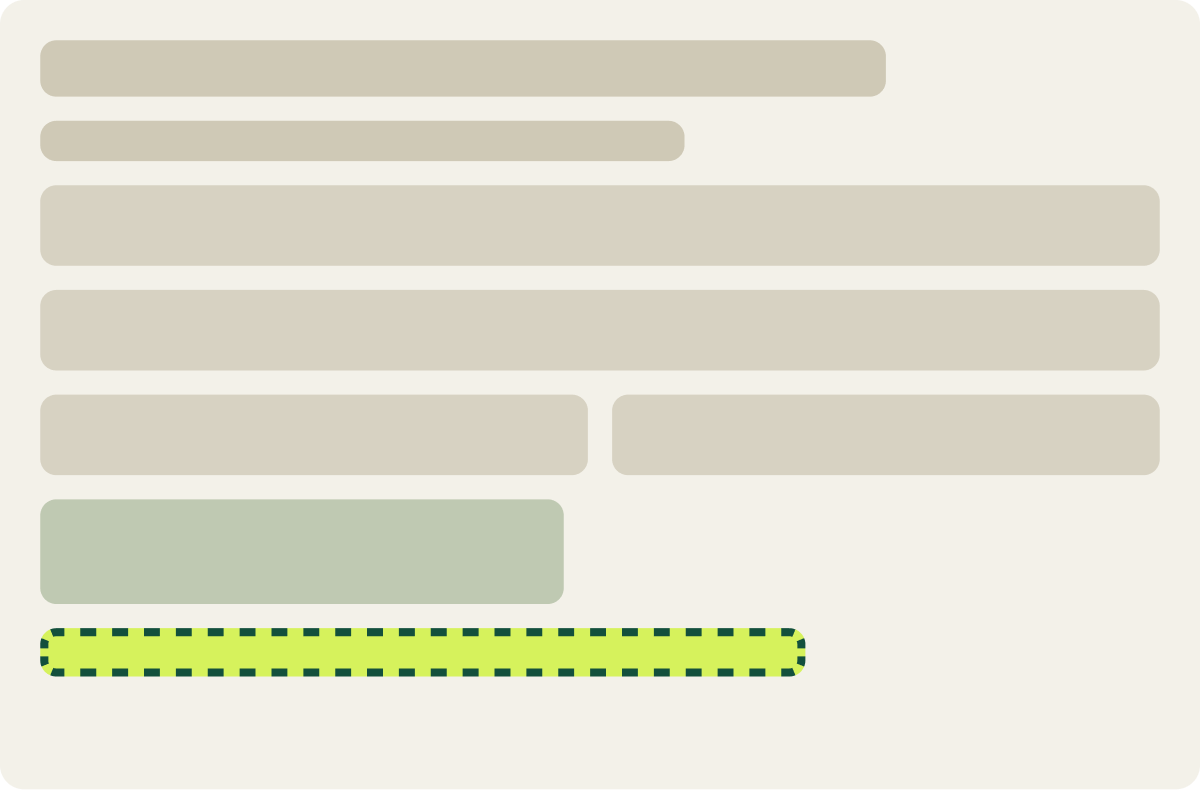
A lead form had a standard disclaimer in small print. Most visitors skimmed past it because it read like a warning. We rewrote the same facts as a positive claim about the program, and set it in slightly larger text with more line spacing.
Evidence · Lead form · Won
Does turning a disclaimer into a positive claim lift lead conversion?
21 days · responsive · We rewrote the disclaimer as a positive claim about the program.
+14.3% conversion, +13.2% lead value per visitor
Read the full testThe positive claim lifted conversion 14.3% and revenue per visitor 13.2% over 21 days. Nothing about the offer changed. The copy and the layout changed together, which is why this kind of test needs a writer and a designer working from the same research.
Star ratings in checkout lifted desktop conversion 22.3%
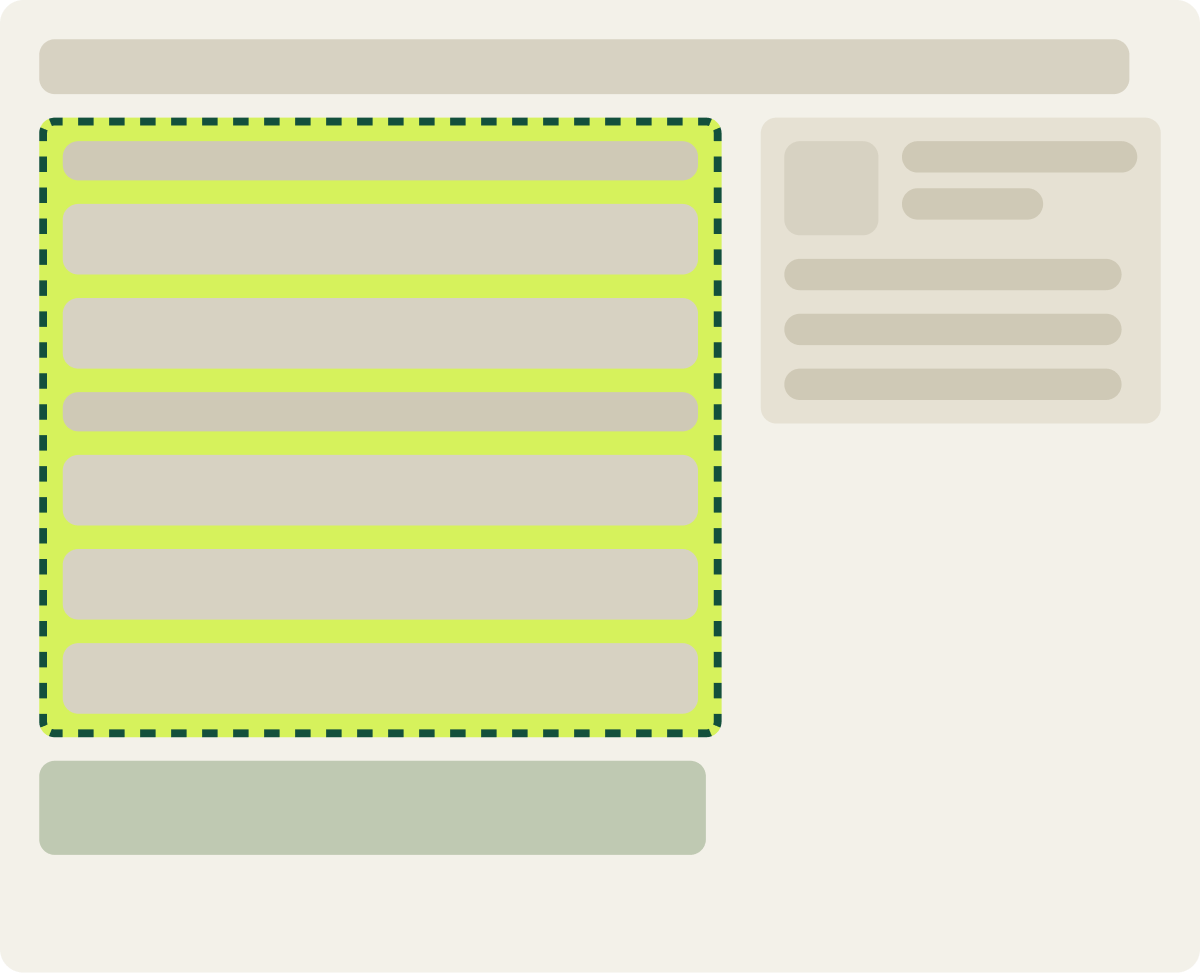
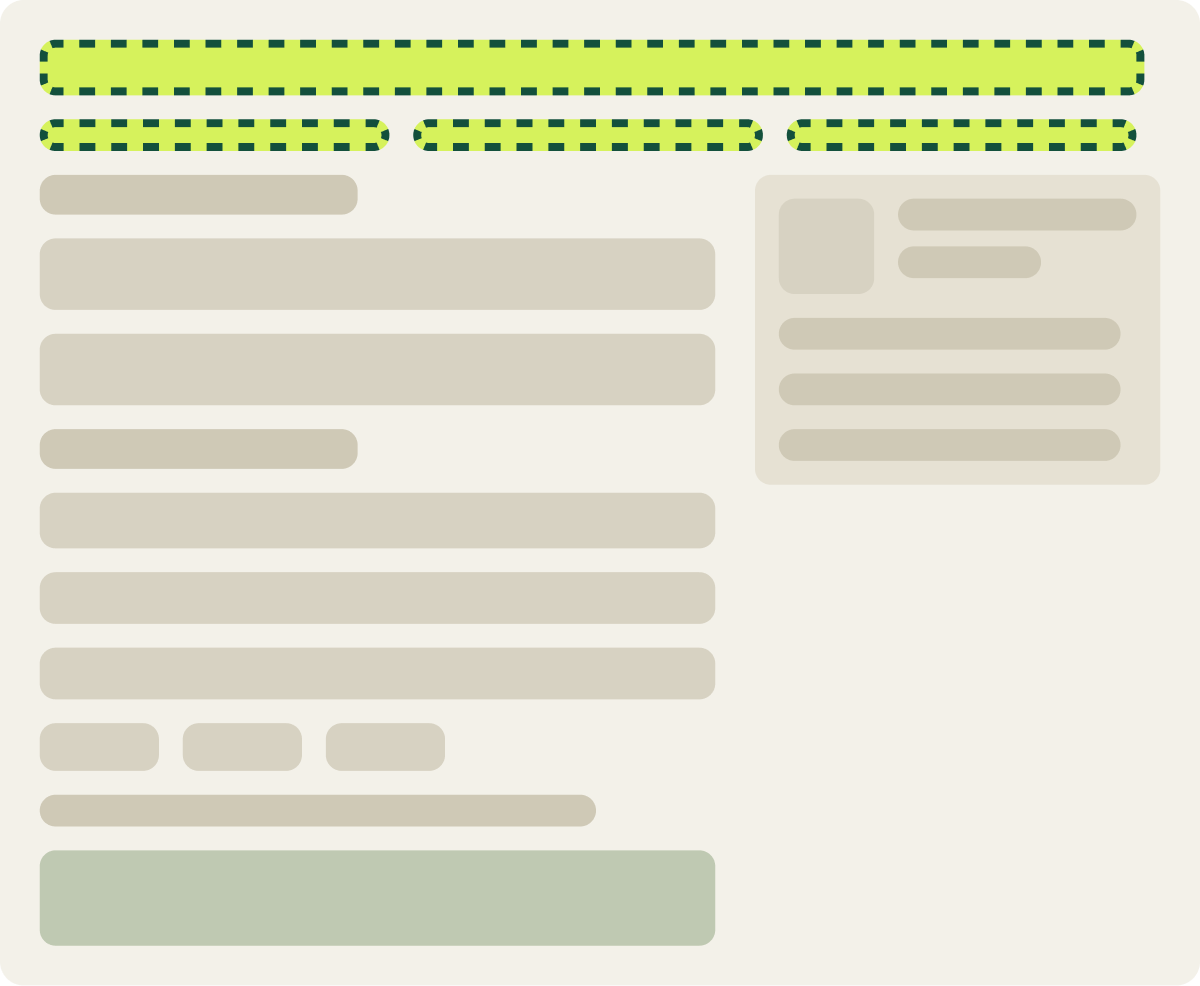
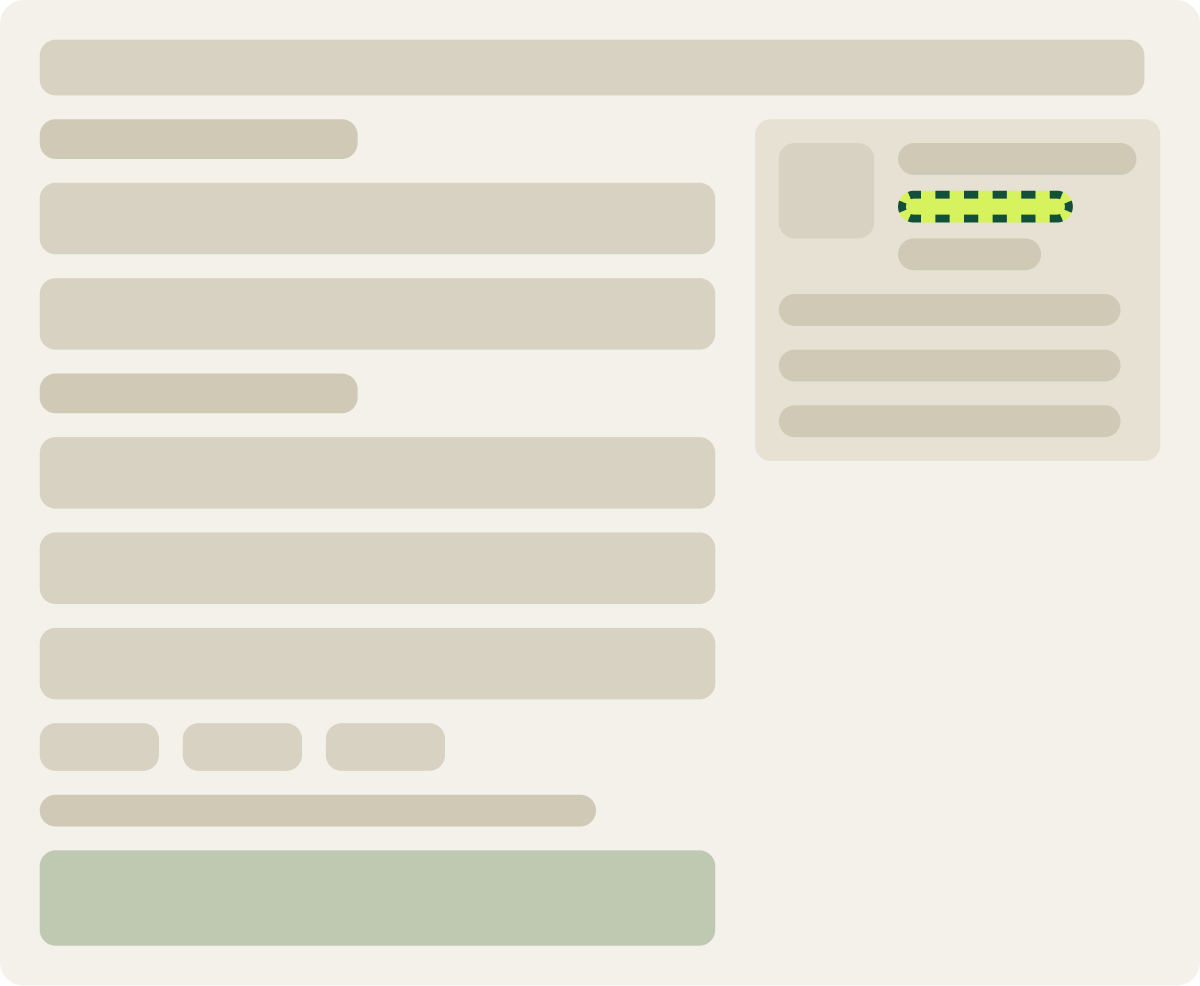
A desktop checkout used a different header from the rest of the site and showed no reviews. We tested 3 ideas at once: cutting clutter from the first checkout step, matching the header to the site, and adding product star ratings to the order summary.
Evidence · Checkout · Won
Do star ratings in checkout lift desktop conversion?
16 days · desktop · We tested 3 checkout changes: less clutter, a matched header, stars.

+22.3% conversion
Read the full testOnly the star ratings won, lifting conversion 22.3% in 16 days. The cleaner layout and the matched header did not do as much. That told us the problem at this step was confidence, not layout. A trust signal at the moment of highest doubt did more than a cleaner page.
That is the value of a running program. Each test teaches you something you can carry to the next page. A 1-time audit gives you a snapshot. A year of tests gives you a record of what works on your site, wins and losses.
A consultant tells you what to test. A program tells you what worked.
A consultant’s plan needs 4 things from you to work
If you do hire a consultant, most of the result depends on what happens after the audit. These 4 habits keep a plan from stalling:
- Name 1 owner. Someone on your team has to decide what runs next and chase it through design and build.
- Reserve build time. Set aside developer hours each month for tests, the same way you would for any other project. Tests that wait for spare time rarely run.
- Agree on 1 main metric. Pick conversion rate, revenue per visitor or lead quality before the test starts, not after you see the numbers.
- Keep a test log. Record every hypothesis, result and learning in 1 place you own. When the consultant leaves, the knowledge should stay.
A consultant is the better choice in 4 situations
A CRO consultant is not a lesser option. For some businesses it is the right one:
- You already have the builders. If you have designers, developers and analytics support with time to spare, a consultant’s plan will get built. You pay only for the expertise you lack.
- You need an outside read, not a program. Before a redesign, a replatform or a big ad push, a 1-time audit can catch problems while they are still cheap to fix.
- You want to train your own hire. A consultant can coach a new in-house specialist on research, test design and analysis until they can run the roadmap alone.
- Your traffic is too low to test. Below roughly 30,000 sessions a month, most tests take months to reach a clear result. Expert review and usability research can still find fixes, and spending on traffic first often returns more.
If none of these fit, and you need tests built and run every month, a team that covers all 5 roles is usually the better buy. Our conversion rate optimization service works this way: research, design, build, QA and analysis come from the same embedded CRO team, starting at $6,495 a month, with the first test running in under 2 weeks. For a broader checklist on vetting outside help, see our guide on how to choose a CRO agency.
Ask a CRO consultant these 5 questions before you hire
Whoever you hire, these questions separate real testing experience from a good sales deck:
- Can I see your past tests, including the ones that lost? Anyone can show a big win. A real record includes tests that were paused, and what was learned from them.
- Who builds and QAs the tests? If the answer is “your team,” ask how many hours a test usually takes, and check that your developers have that time.
- How soon will the first test run? Ask for the date, not just the start of the audit. A roadmap that takes 2 months to produce delays every result behind it.
- How do you judge a winner? Look for an answer about revenue or lead quality, not just clicks. A test can win clicks and lose sales.
- What do I keep when we stop? You should own every test plan, result and learning. That record is worth more than any single win.
3 red flags in a CRO pitch
- A promised lift. No one can know in advance how much a site will improve. A guaranteed number is a sales line, not a forecast.
- Only wins on show. Many tests do not win. Someone who shows only winners is hiding how the work really goes.
- A best-practice checklist instead of research. Generic advice like “add urgency” or “shorten the form” may or may not fit your visitors. Good work starts with your own data.
A good conversion rate optimization consultant will answer all 5 without hedging. If you want to see how we would answer them for your site, start with an evaluation.
Frequently asked questions
What does a CRO consultant do?
A CRO consultant audits your site, researches why visitors drop off, ranks test ideas and reads the results. Most do not design, build or implement the tests themselves, so your own team does that part.
How much does a CRO consultant cost?
Freelance CRO consultants charge about $75 to $250 an hour, or about $5,000 to $10,000 a month on retainer, according to Apexure. Add the time your own designers and developers spend building each test.
Should I hire a CRO consultant or an agency?
Hire a consultant if you already have designers, developers and analytics support with time to build tests. Choose a CRO agency or an embedded CRO team if you need the tests designed, built, run and measured for you.
What is a fractional CRO team?
A fractional CRO team, also called an embedded CRO team, is an outside team that works inside your business part time. It covers research, design, build, QA and analysis for less than the cost of hiring that team in house.
How do I choose a CRO consultant for ecommerce?
Ask to see past tests, including losses. Ask who builds and QAs the tests, how soon the first test will run, how they judge a winner, and whether you keep every test plan and result when the work ends.
The evidence
The 3 tests this article leans on
Evidence · Lead form · Won
Does moving email and phone onto the first contact step lift leads?
+56.0% conversion
Read the full testEvidence · Lead form · Won
Does turning a disclaimer into a positive claim lift lead conversion?
+14.3% conversion, +13.2% lead value per visitor
Read the full testEvidence · Checkout · Won
+22.3% conversion
Read the full test