
Articles / Ecommerce and Shopify
How to reduce cart abandonment: what our A/B tests show
What we found
Most cart abandonment comes from a surprise: a cost, a fee, a delivery date or a missing payment option that shows up late. Find where shoppers leave first, then remove the surprise. In our tests, cutting fee language lifted checkout conversion 7.2% and a same-day shipping cutoff lifted conversion 7.5%.
Most cart abandonment comes down to a surprise. A shopper adds a product, heads to checkout, and something shows up that they did not expect: a shipping charge, a fee, a delivery date that is too late, a coupon box, or a missing way to pay. Trust drops, and the cart sits.
I have run cart and checkout tests on ecommerce stores for years, and the fix is rarely a clever trick. It is finding where shoppers leave, then removing the surprise that made them leave. This guide covers how to find the leak first, the 5 surprises I see most often, and what our A/B tests show about fixing them.
Find where shoppers leave before you fix anything
Start by measuring the funnel from add to cart to begin checkout to purchase. Split it by device, traffic source, and new versus returning customers. That shows you where abandonment happens before you decide what to test.
On Shopify, this matters more than most store owners expect. Shopify’s abandoned checkout report only counts a checkout once the shopper has entered their email, according to the Shopify Help Center. A shopper who adds to cart and leaves from the product page, the cart drawer or the cart page never shows up there. So I look at abandonment in 3 areas:
- Before checkout: shipping cost visibility, delivery estimates, product doubts, and cart behavior that does something unexpected.
- During checkout: guest checkout, payment methods, form friction, errors, and a total that grows at the last step.
- After abandonment: recovery emails and texts, a cart that is still there when the shopper returns, and how returning customers are treated.
Keep in mind that a large share of carts were never going to convert. In Baymard Institute’s research, 42% of US shoppers said they left a cart because they were just browsing or not ready to buy. The goal is to win back the shoppers who were ready, not every cart.
40% of shoppers who abandon blame extra costs
Among shoppers who were ready to buy, Baymard found the top reason for leaving was extra costs that were too high: shipping, taxes and fees, cited by 40%. Another 12% left because they could not see or work out the total cost up front.
Baymard's research puts average cart abandonment at 70.22%. Among shoppers ready to buy, the top reasons were extra costs (40%), slow delivery (20%) and not trusting the site with card details (19%).
Baymard Institute September 2025 · baymard.com ↗
Our tests line up: removing fee language and giving a clear ship date both lifted conversion, because they removed a late surprise.
Shipping is the most common version of this surprise. Free shipping feels like the norm now, largely thanks to Amazon Prime. Shoppers expect to pay to ship a couch. They do not expect a $15 shipping charge on something the size of a shoe box. What matters is how much the charge adds to the total, not the dollar amount alone. Show the shipping cost, or a free shipping threshold, on the product page or in the cart, well before the final step.
Surcharges work the same way. Processing, handling and restocking fees give shoppers a reason to pause. I judge a fee by its share of the average order. On a $250 average order, a $5 processing fee is 2%, and it probably will not hurt conversion. A $25 fee is 10%, and that is when shoppers start to reconsider the purchase.
In 1 test, fee language at the start of a mobile checkout was out of step with the rest of the site, which had already stopped mentioning fees. We tested removing the fee language and the off-brand header, and carrying the homepage message into checkout. The reworked checkout lifted conversion 7.2% and revenue per visitor 7.2% over 20 days.
Evidence · Checkout · Won
Does removing checkout fee language lift mobile conversion?
20 days · mobile · Blue header and fee language removed, homepage messaging carried in
+7.2% conversion, +3.2% var b conversion
Read the full testThe takeaway: fee language does not have to be a large charge to hurt. Calling attention to fees at the moment of commitment was enough to cost orders, and removing it was enough to win them back.
A same-day shipping cutoff lifted conversion 7.5%
Delivery is the second biggest reason in Baymard’s list: 20% of shoppers left because delivery was too slow. The cart is often the first place shoppers see stock status or a delivery date. If the product is out of stock, or the date is later than they need, they leave.
We tested this on a product page that said free shipping but not when an order would ship. We added stock status and a shipping message near the add to cart button, in 2 versions: a 24-hour shipping promise, and a ships today message with a window to order in. The same-day cutoff lifted conversion 7.5% and revenue per visitor 12.8% over 20 days. The 24-hour promise did about half as well.
Evidence · Product page · Won
Does a same-day shipping cutoff lift product page conversion?
20 days · responsive · We added a shipping message and stock status near the add to cart button.


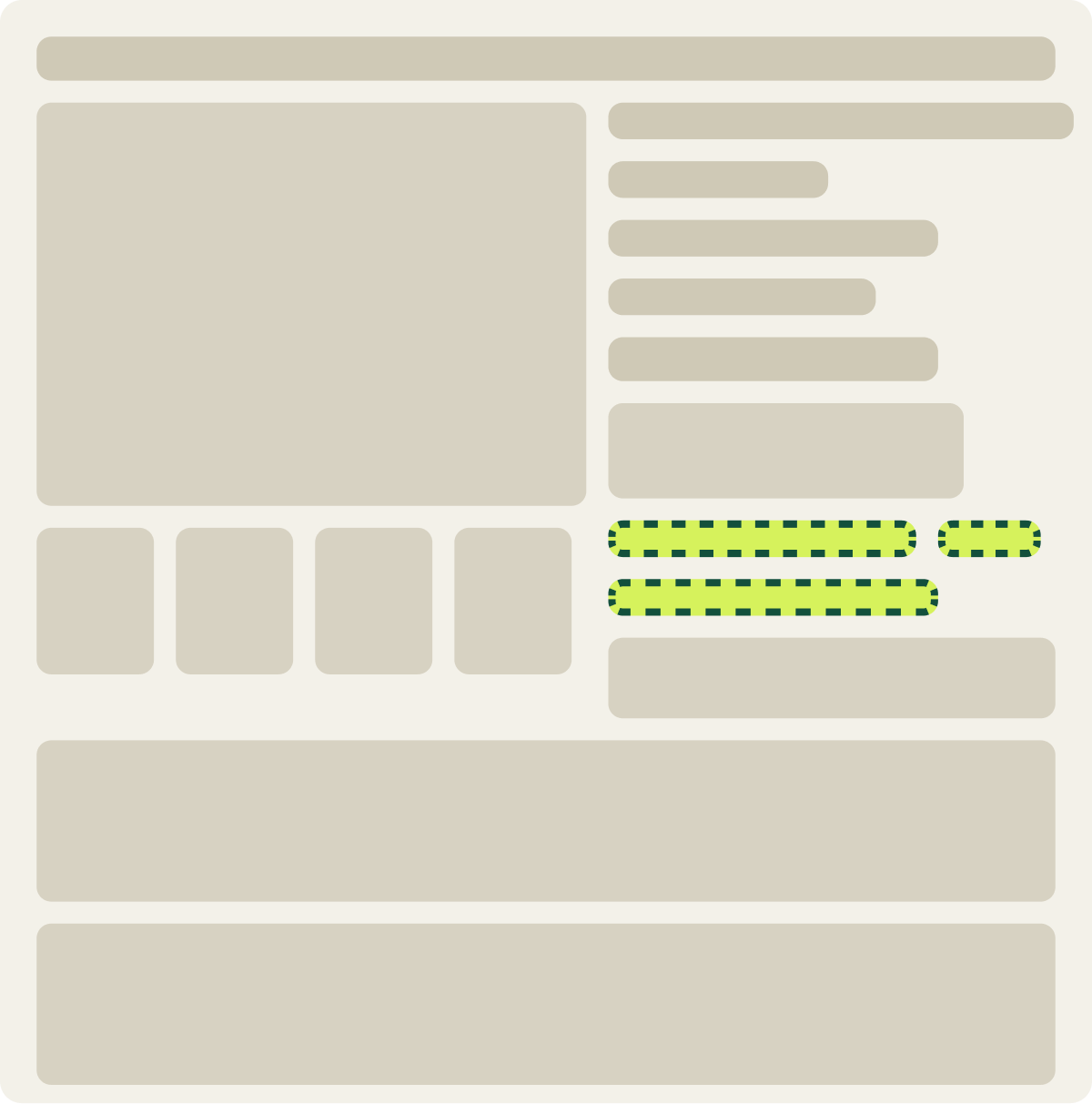
+7.5% conversion, +12.8% revenue per visitor
Read the full testThe takeaway: answer the delivery question before the cart does. A specific date or cutoff beats a general promise. For more on where this message belongs, see Where should shipping and delivery timing appear on a product page?.
Price placement moved revenue per visitor 27.5%
Some shoppers use the cart to check the price. Nielsen Norman Group’s research on decision making in the shopping cart found that the cart often works like a dressing room, where shoppers compare items and decide. If the product page is not clear about the price, shoppers add to cart just to see it, then back out and keep shopping. That looks like abandonment, but it is really a product page problem.
Showing the price sooner is not always the simple win it sounds like, though. On 1 product page, the price only appeared inside the variant dropdown. We tested showing it on the page in 3 placements. With the price above the delivery date, conversion rose 1.6%, but revenue per visitor fell 27.5% over 14 days. Shoppers spent more per visit when the price stayed in the dropdown.
Evidence · Product page · Lost
Does showing the price earlier on the product page lift conversion?
14 days · responsive · We showed the price on the page, not just in the variant dropdown.
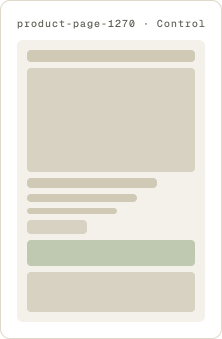
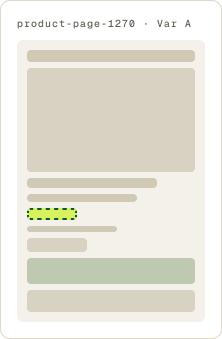
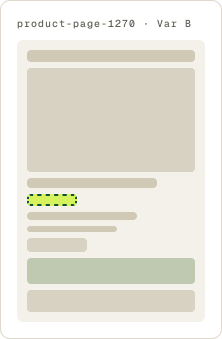
+1.6% conversion, -27.5% revenue per visitor
Read the full testThe takeaway: about as many shoppers bought, but they chose smaller orders once the price was in view earlier. Price clarity changes what people buy, not only whether they buy. Measure revenue per visitor, not just conversion, and see Price anchoring: what our A/B tests show for how price display shapes the order.
A coupon field sends shoppers looking for a code
A coupon or promo code box can start a side quest. A shopper who sees it wonders if they are paying more than they need to, and goes looking for a code on coupon sites or in their email. Many of them do not come back.
I would not remove discount codes, since your email and loyalty programs depend on them. Instead, make the field less of an invitation. Put it behind a small link, apply active promotions automatically, or show the current offer so shoppers know they already have the best price.
9% of shoppers leave when their payment method is missing
Some shoppers want to pay a specific way: a certain credit card, a digital wallet, or a buy now, pay later plan. If that option is missing, they look for a similar product from a store that has it. Baymard found 9% of shoppers left for this reason, and 19% left because they did not trust the site with their card details.
Show the payment methods you accept before checkout, near the add to cart button or in the cart. A shopper who knows their preferred option is available has 1 less reason to go looking elsewhere. If you want to know which of these fixes is worth it on your store, that is what experimentation and testing is for.
Expected costs rarely hurt. Late surprises do.
Across our cart and checkout tests, the changes that won removed doubt at the moment of commitment: fee language, an unclear ship date. When a cost or a delay is clear early, shoppers plan around it.
Shoppers rarely leave over a cost they expected. They leave over the one that showed up late.
A 7-point checklist to reduce cart abandonment
- Measure the funnel first. Track add to cart, begin checkout and purchase, split by device, traffic source, and new versus returning customers.
- Show shipping costs early. Put the cost or the free shipping threshold on the product page or in the cart.
- Check fees against your average order. A fee that is a small share of the order is easier to accept than one that is 10% of it.
- Give a specific delivery date or cutoff. Show stock status and when the order ships, before the cart.
- Make the price clear on the product page. Then test where it goes, and watch revenue per visitor as well as conversion.
- Tone down the coupon field. Use a link, apply offers automatically, or show the current deal.
- Show your payment options. List the cards, wallets and pay later plans you accept before checkout.
Frequently asked questions
What is a good cart abandonment rate?
The average is about 70%, based on Baymard Institute's average of 50 studies (70.22%). Compare your store to its own past performance and to your device mix, since mobile usually runs higher than desktop.
What is the most common reason for cart abandonment?
Extra costs. Among shoppers who were ready to buy, 40% left because shipping, taxes or fees were too high, according to Baymard Institute. Another 20% left because delivery was too slow.
What is the difference between cart abandonment and checkout abandonment?
Cart abandonment covers anyone who adds to cart and leaves. Checkout abandonment only covers shoppers who started checkout. On Shopify, an abandoned checkout is only recorded once the shopper enters their email, so it misses anyone who leaves from the product page or cart.
Does free shipping reduce cart abandonment?
It removes the most common surprise, but it is not the only option. Showing the shipping cost or a free shipping threshold early can work too. What matters is how much shipping adds to the total and whether shoppers see it before the last step.
Should I remove the coupon field from checkout?
Usually not, since email and loyalty offers depend on it. Make it less prominent instead: put it behind a link, apply active offers automatically, or show the current deal so shoppers do not go looking for a code.
The evidence
The 3 tests this article leans on
Evidence · Checkout · Won
+7.2% conversion, +3.2% var b conversion
Read the full testEvidence · Product page · Won
Does a same-day shipping cutoff lift product page conversion?
+7.5% conversion, +12.8% revenue per visitor
Read the full testEvidence · Product page · Lost
Does showing the price earlier on the product page lift conversion?
+1.6% conversion, -27.5% revenue per visitor
Read the full test