
Articles / Product Pages and Offers
Price anchoring: what our A/B tests show
What we found
A real anchor works. Showing the list price struck through, with the dollar amount saved, lifted conversion 16.1% and revenue per visitor 16.7%. But moving the price can lift orders and still cut revenue.
Price anchoring is simple. Shoppers judge a price against the first number they see. Show a higher list price first, and the sale price feels like a deal. Group prices into ranges, and shoppers judge each product against its range.
The theory is easy to apply. What it does to your revenue is harder to predict. Here are 3 of our tests, including 1 that lifted conversion and still lost money.
A struck-through list price lifted conversion 16.1%
A product page showed a single price with nothing to compare it to. We tested adding the list price struck through, plus the dollar amount saved. Conversion rose 16.1% and revenue per visitor rose 16.7% over 29 days.
Evidence · Product page · Won
Does a strike-through price with savings lift product page sales?
29 days · responsive · We added a struck-through list price and the amount saved to the price.

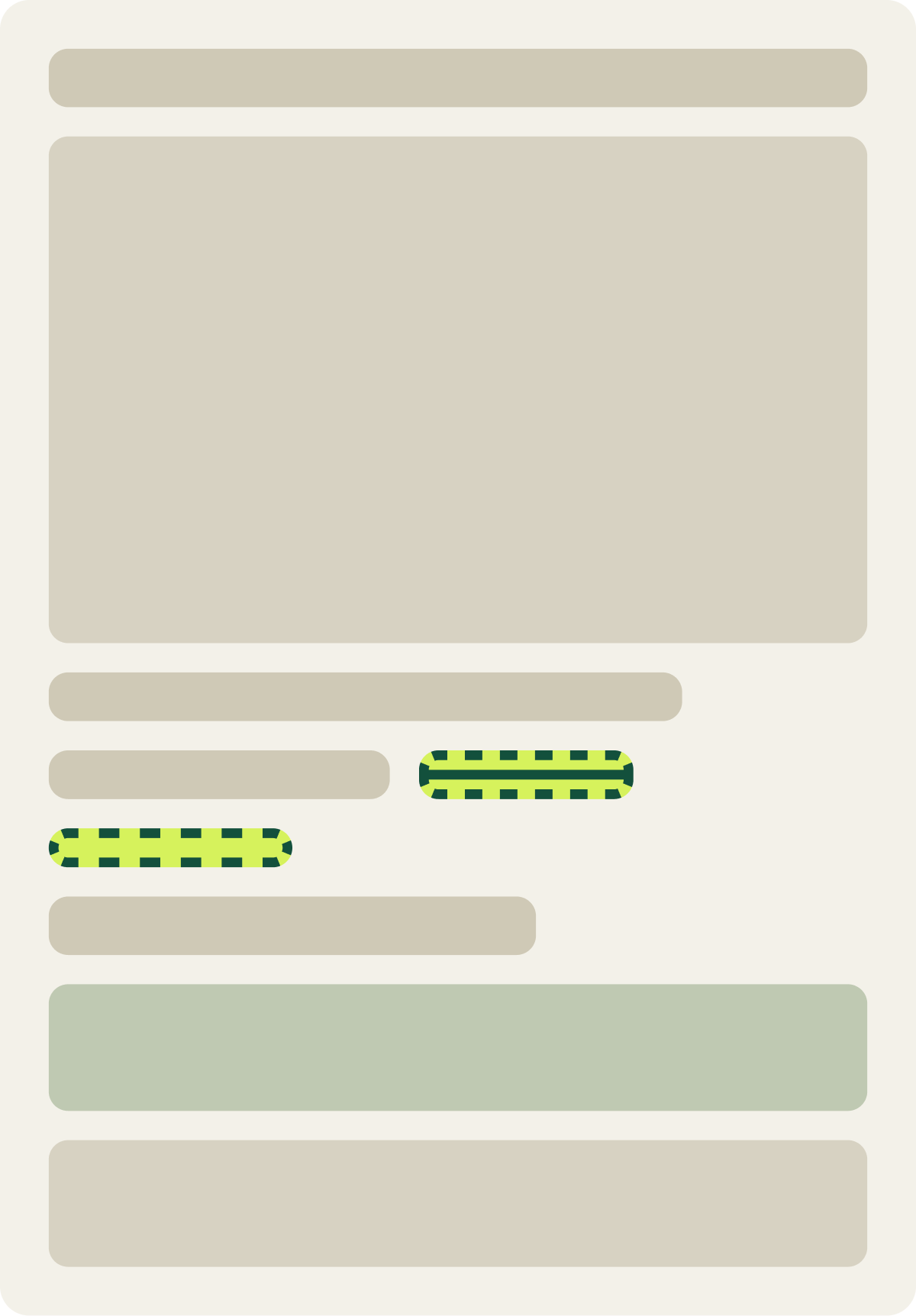
+16.1% conversion, +16.7% revenue per visitor
Read the full testThe anchor here was real. It was the product’s actual list price, and the savings were real too. That matters. An inflated “compare at” price can win a test and still cost you trust and returns later.
People lean on the first number they see; suggested donation amounts lifted form completions 23%; struck-through original prices set a higher sense of value; anchors must be accurate or users feel cheated.
Therese Fessenden 2018 · www.nngroup.com ↗
Our struck-through price test lifted conversion 16.1%, and the anchor was the product's real list price.
Price range buttons lifted collection page conversion 16.8%
Shoppers had to open the filter menu to narrow a collection by price. We added price range buttons to the top of collection pages. Conversion rose 16.8% and revenue per visitor rose 16.7% over 37 days.
Evidence · Collection page · Won
Do price filter buttons lift collection page conversion?
37 days · responsive · We added price range buttons to collection pages.
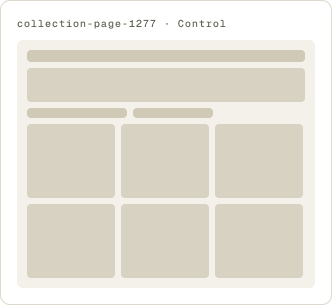
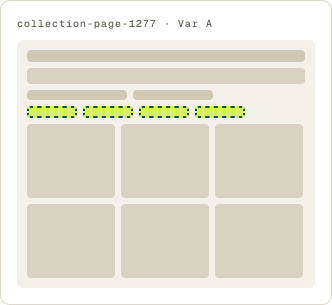
+16.8% conversion, +16.7% revenue per visitor
Read the full testPrice ranges are anchors too. A shopper who taps “under $50” sees every product in that set as fitting the budget. It also cuts the work of scrolling past products they would never buy. See Ecommerce category page design: what our A/B tests show for more collection page tests.
Shoppers spent more when the price stayed in the variant menu
A product page only showed the price inside the variant dropdown. We tested showing it on the page, in 3 placements. With the price above the delivery date, conversion was up 1.6%. But revenue per visitor fell 27.5% over 14 days, so the original layout won on what mattered.
Evidence · Product page · Lost
Does showing the price earlier on the product page lift conversion?
14 days · responsive · We showed the price on the page, not just in the variant dropdown.
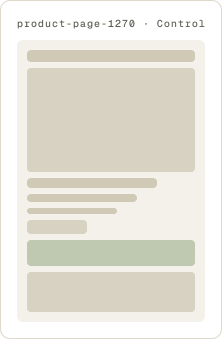
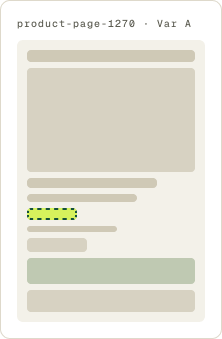
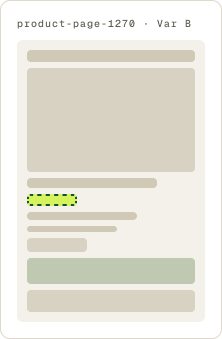
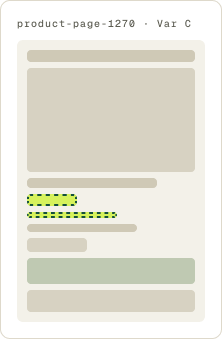
+1.6% conversion, -27.5% revenue per visitor
Read the full testA test that only tracked conversion would have called this a win. Revenue told a different story. Where the price sits changed what shoppers bought, not just whether they bought.
Check more than 1 metric on every pricing test.
A price change can lift conversion and still lower revenue. I check every winning signal further up and down the funnel before we implement it.
How to test price anchoring on your store
- Use a real anchor. A true list price, a real bundle price or an honest range.
- Show the savings in dollars, not just a slash. Our winning test showed both.
- Track revenue per visitor, not only conversion. Price changes move both, and not always the same way.
- Test placement on its own. Where the price sits can matter as much as the price itself.
Our conversion rate optimization work tests pricing this way. For the button that sits next to your price, see What makes an add to cart button convert?
An anchor only works when shoppers believe it.
Frequently asked questions
What is price anchoring?
Price anchoring is when shoppers judge a price against the first number they see, like a list price shown next to a sale price.
Does showing a crossed-out price increase sales?
It can. In our test, a struck-through list price with the dollar amount saved lifted conversion 16.1% and revenue per visitor 16.7%.
Is price anchoring ethical?
It is when the anchor is real. Inflated "compare at" prices can mislead shoppers and, in some places, break pricing rules.
Where should the price go on a product page?
Test it. In 1 of our tests, showing the price earlier lifted conversion 1.6% but cut revenue per visitor 27.5%.
What should I measure in a pricing test?
Revenue per visitor as well as conversion rate. A pricing change can raise 1 and lower the other.
The evidence
The 3 tests this article leans on
Evidence · Product page · Won
Does a strike-through price with savings lift product page sales?
+16.1% conversion, +16.7% revenue per visitor
Read the full testEvidence · Product page · Lost
Does showing the price earlier on the product page lift conversion?
+1.6% conversion, -27.5% revenue per visitor
Read the full testEvidence · Collection page · Won
+16.8% conversion, +16.7% revenue per visitor
Read the full test