
Does social proof below the button lift lead form conversion?
The lead form showed no proof that others had used the service. We added social proof below the button on every step of the form. Conversion fell 32.6% and revenue per visitor 31.2% over 8 days.
Lost Responsive 8 days Called at 90% Reviewed
The hypothesis
By showing social proof below the button throughout the form, we will raise visitor confidence, resulting in more leads.
Visitors to this landing page were weighing whether to share details about a tax problem with a company they did not know. Nothing on the form showed that others had trusted it before them.
Social proof near the button would answer that doubt at the moment of each step.
What we changed
We added social proof below the button on every step of the form.
The variation placed a social proof message below the button on each step of the lead form. It also moved the header and adjusted the spacing to fill an empty area on the page. The rest of the form stayed the same.
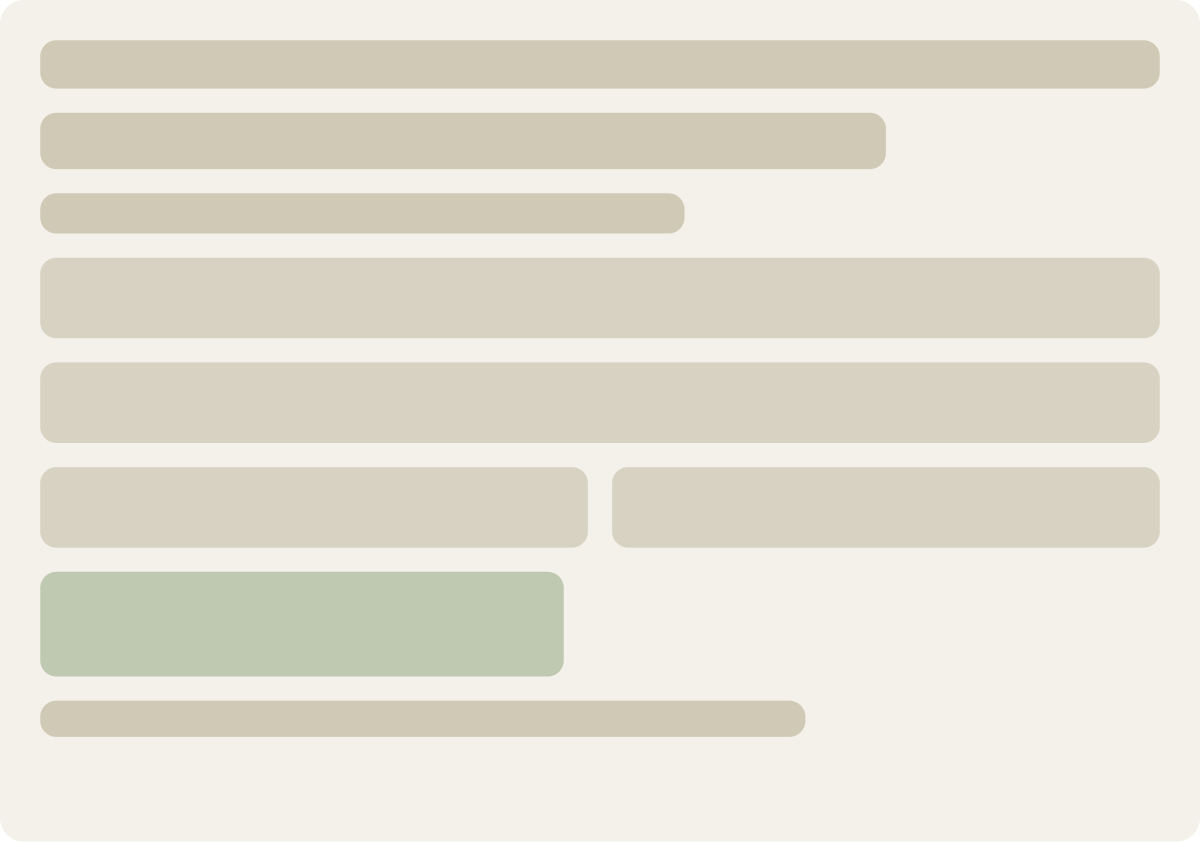
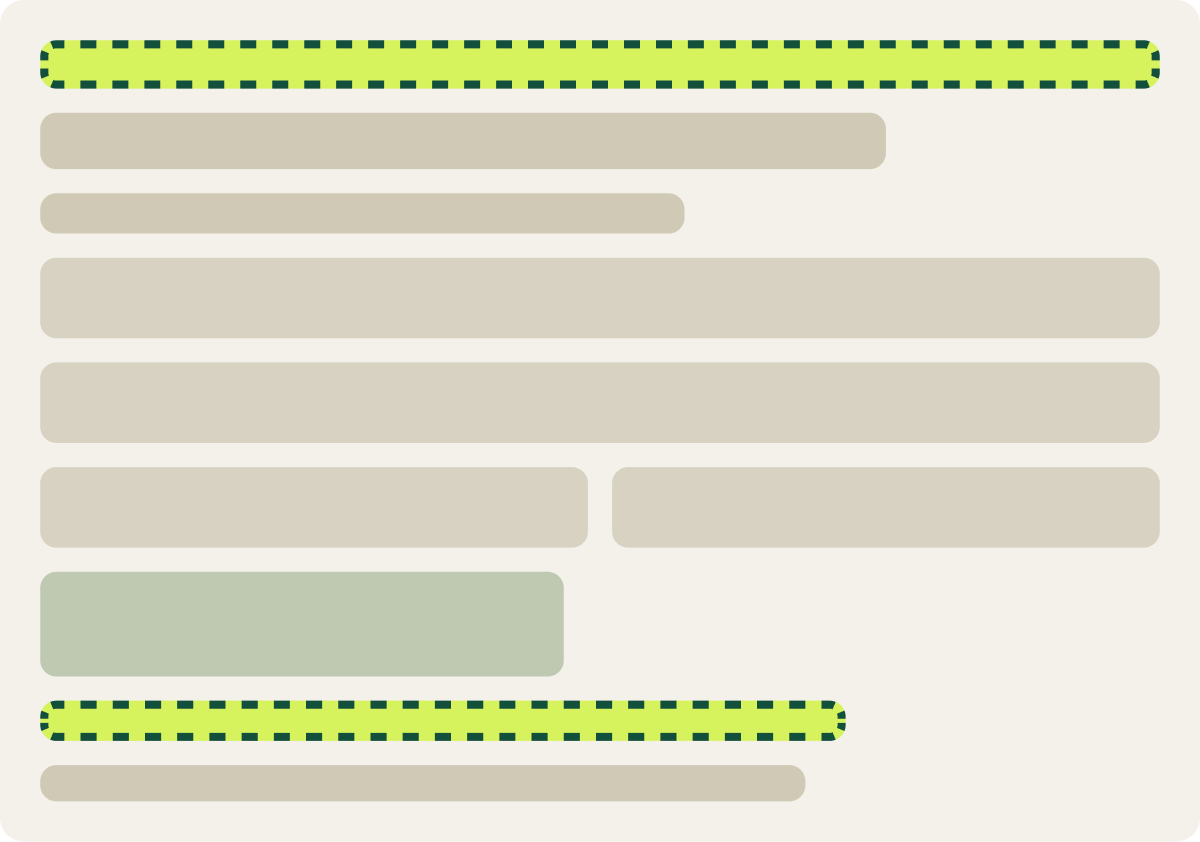
- Social proof added below the button
- Shown on every step of the form
- Header moved, spacing adjusted
The result
Conversion fell 32.6% and revenue per visitor 31.2% over 8 days.
Conversion fell 32.6% and revenue per visitor 31.2%. Traffic was low, but leads with more than $10k in tax debt, the most valuable leads, dropped too.
We paused the test after 8 days to protect lead quality rather than wait for more traffic.
What we took from it
The social proof pulled attention without building enough trust.
A message below the button sat where visitors looked just before each click. It did not give them the confidence we expected, and the drop hit the highest value leads hardest. The next round tested whether a larger, more specific number would make the proof land.