
How to convert website visitors into customers
What we found
Visitors convert when each step asks for less than they expected. Simpler first form steps lifted conversion 34.0%, and a focused landing page beat the homepage by 17.8%.
Visitors leave when a step asks for more than they are ready to give. To convert more of them into customers, make each step smaller, clearer and more focused than the one they expected. A customer here can be a buyer or a lead, depending on your site. The approach is the same.
Below is how we do it, stage by stage, with the A/B tests behind each stage.
Start with the stage that loses the most people
Every site has a path from first visit to customer: arrive, start, commit, finish. Before you change anything, find the step where the most people drop off. That is where I start. If there is no clear drop-off, start with the landing pages that get the most traffic.
Then rank your ideas. I score each idea from 1 to 10 on potential, importance and effort, and test the highest scores first. For the full process, see How to build a CRO strategy.
Start where the most people leave
Look at the conversion rate for each step of your funnel and attack the step with the biggest drop-off. With no clear target, start with the landing pages that get the most traffic.
Arrive: a focused landing page beat the homepage by 17.8%
On 1 site, paid campaign traffic landed on the standard homepage. It had full navigation and many paths away from the lead form. We tested 2 focused landing pages in its place.
The version built around what visitors came for, with star ratings and a single button, won. Over 24 days, leads rose 17.8%. Removing competing calls to action and holding the form back until visitors chose to act gave the page 1 clear next step.
Evidence · Homepage · Won
Does a dedicated campaign landing page beat the homepage for leads?
24 days · responsive · We sent campaign traffic to 2 focused landing pages instead of the homepage.
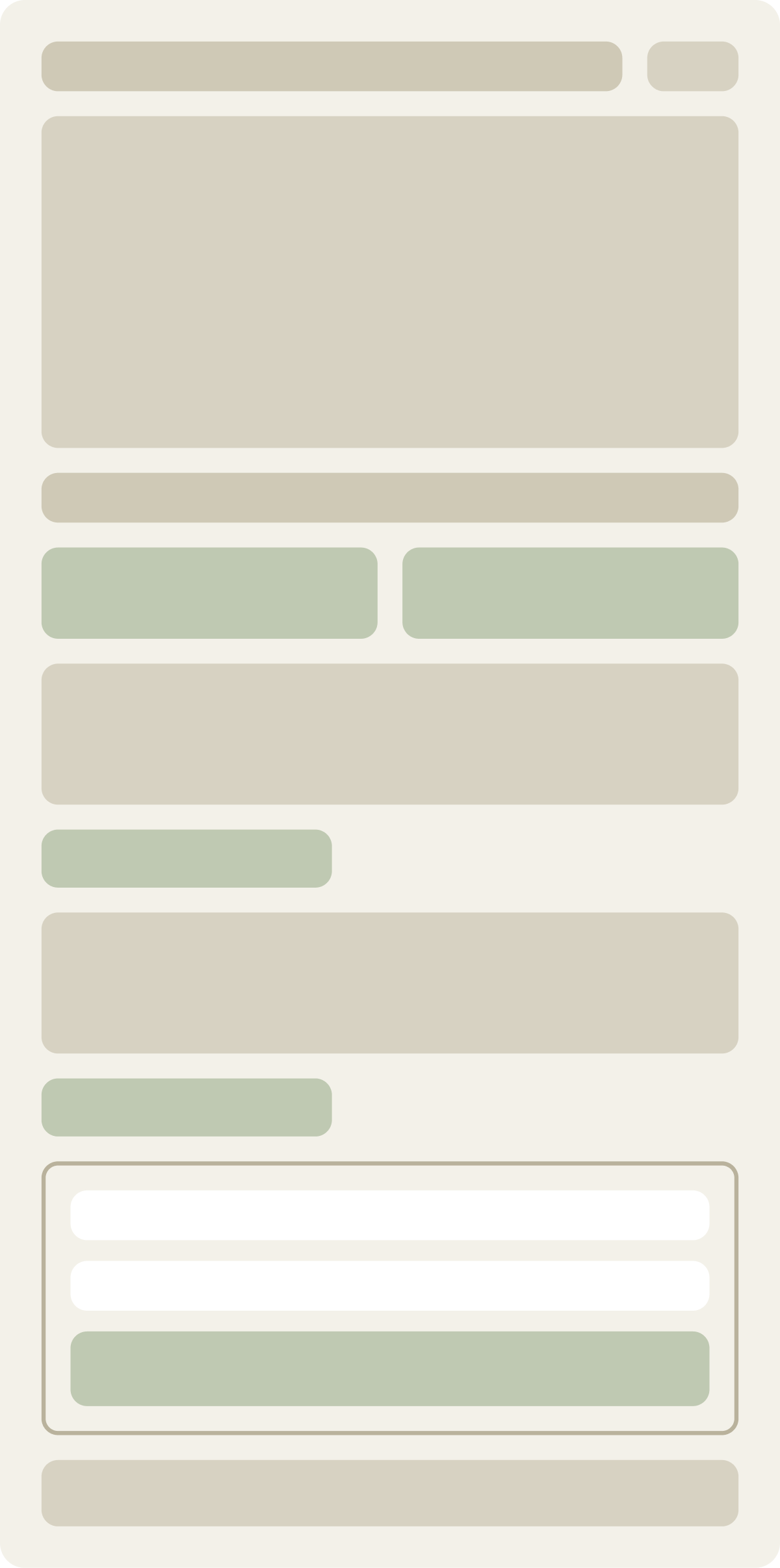
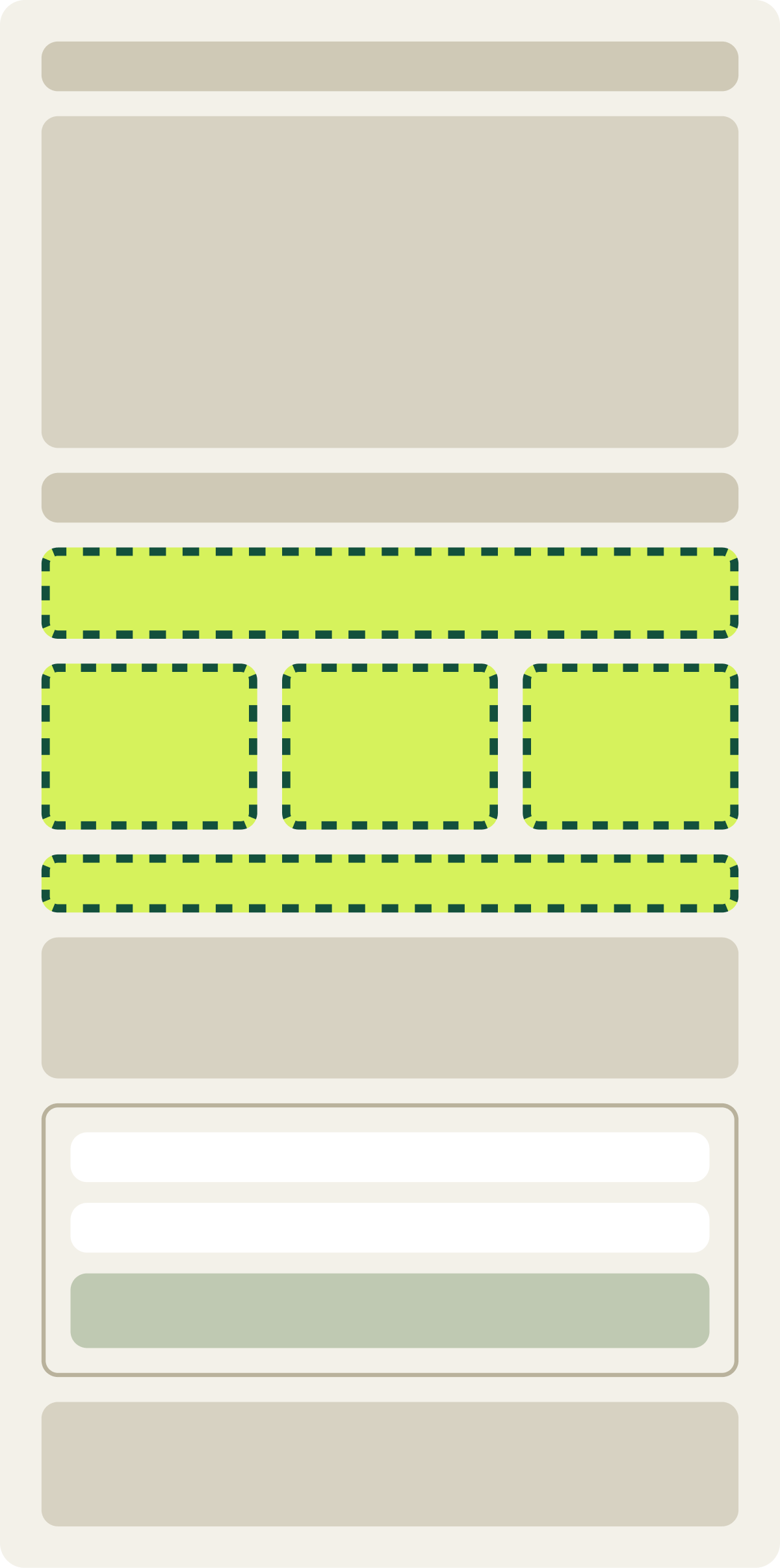
+17.8% conversion
Read the full testIf you pay for traffic, send it to a page built for that visit. A homepage has to serve everyone. A landing page only has to serve the person who clicked.
A good campaign landing page does 3 things. It repeats the promise from the ad, so visitors know they are in the right place. It shows proof, such as star ratings, near the top. And it offers 1 next step, not 5. We tested 2 versions here, and the one that held the form back until visitors chose to act beat the one that led with the form.
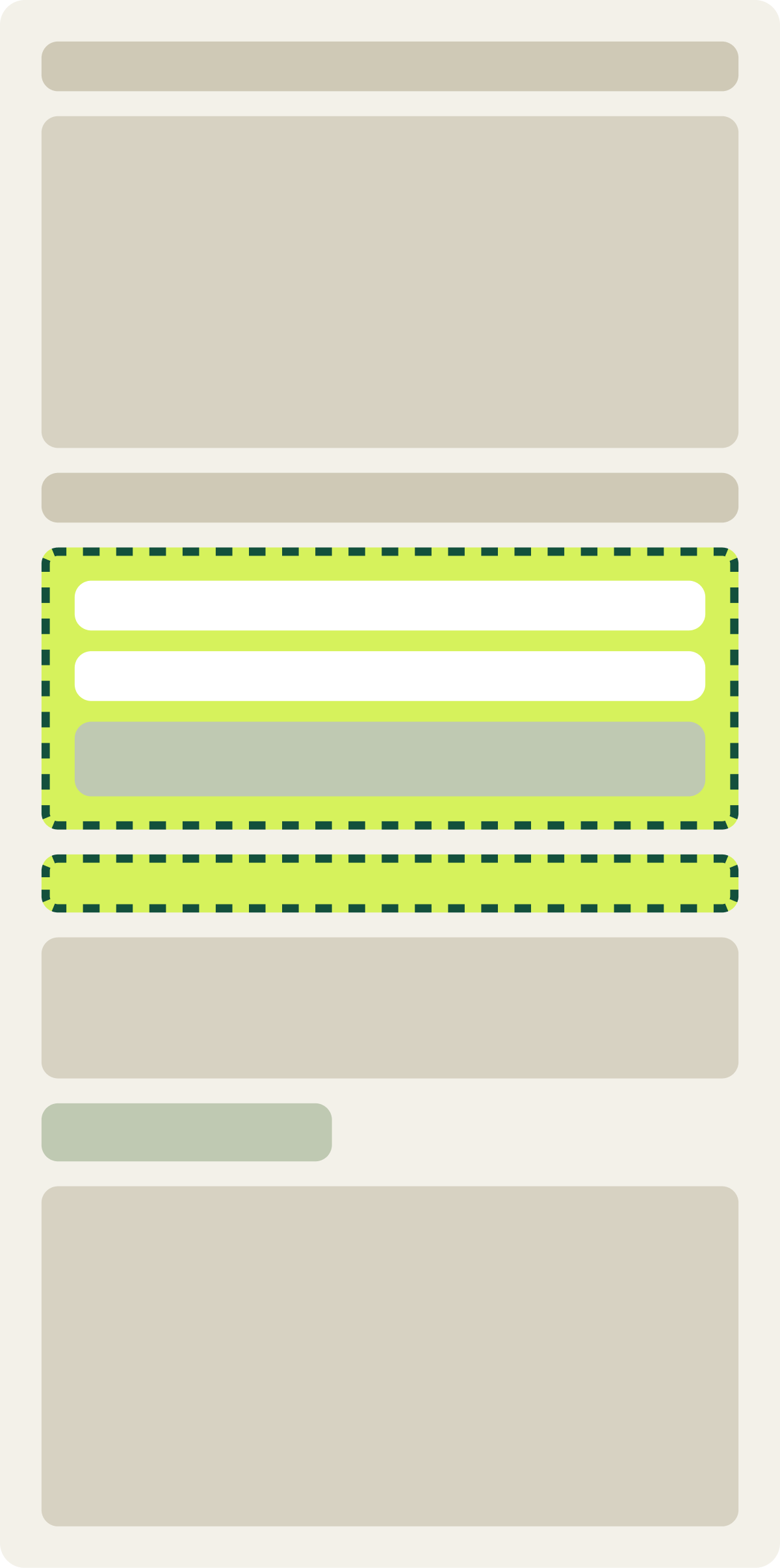
Start: simpler first steps lifted form completion 34.0%
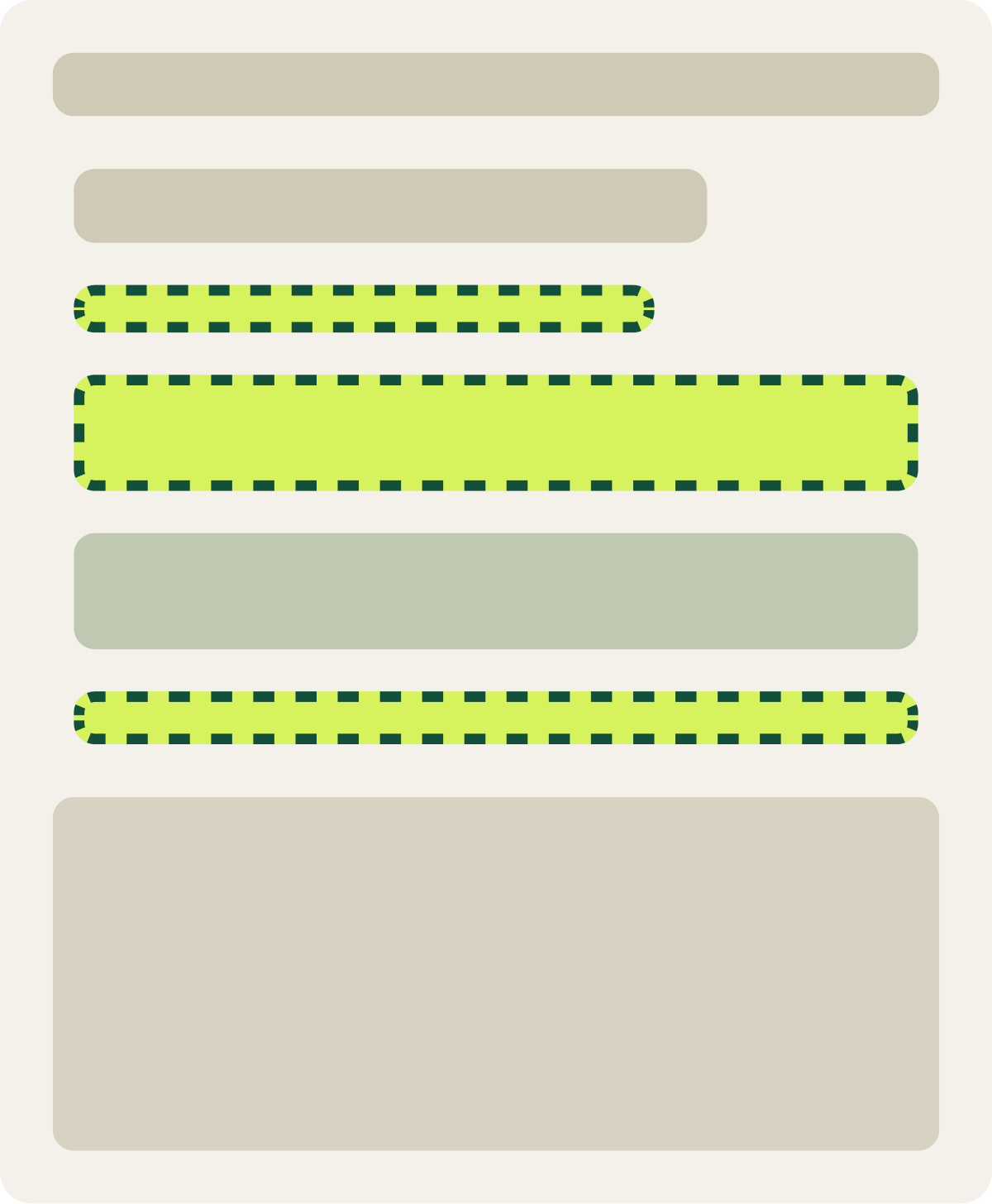
The first steps of a form decide whether people keep going. On 1 lead form, the first 2 steps were busy screens of answer buttons. We simplified them: a dropdown on step 1, and just 2 options on step 2.
Over 16 days, conversion rose 34.0%. Just as important, the share of high-value leads held steady. Fewer options did not let lower-quality leads slip in.
That second check matters on every lead form test. More leads are only a win if they are leads you want. Before you call a form test, compare lead quality between the control and the variation, not just the count. We let this test run a full 2 weeks before calling it, then implemented it for all traffic.
Evidence · Lead form · Won
Does simplifying the first 2 lead form steps lift conversion?
16 days · responsive · We simplified the first 2 steps and swapped buttons for a dropdown.
+34.0% conversion
Read the full testCommit: wording that set expectations lifted conversion 17.2%
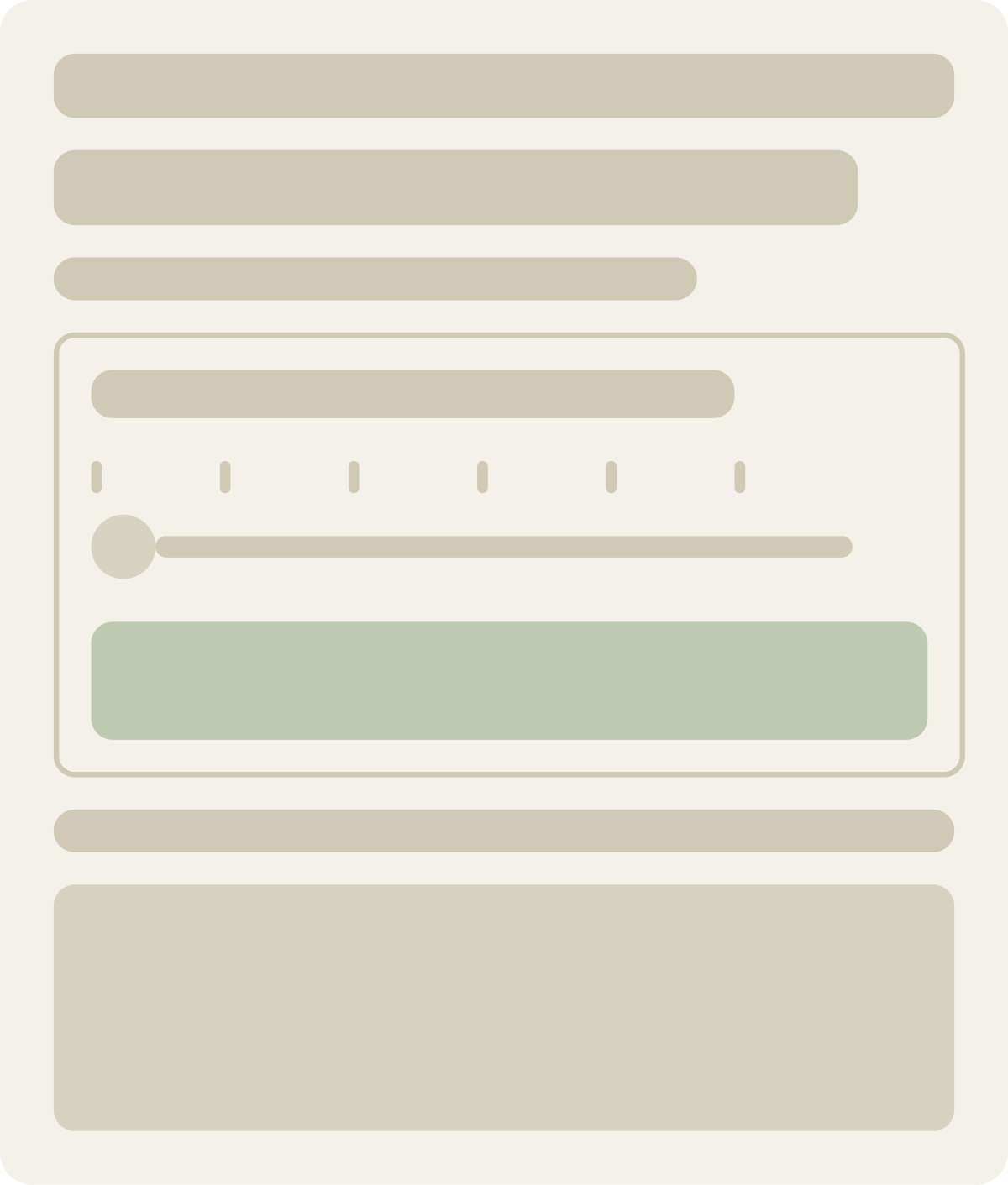
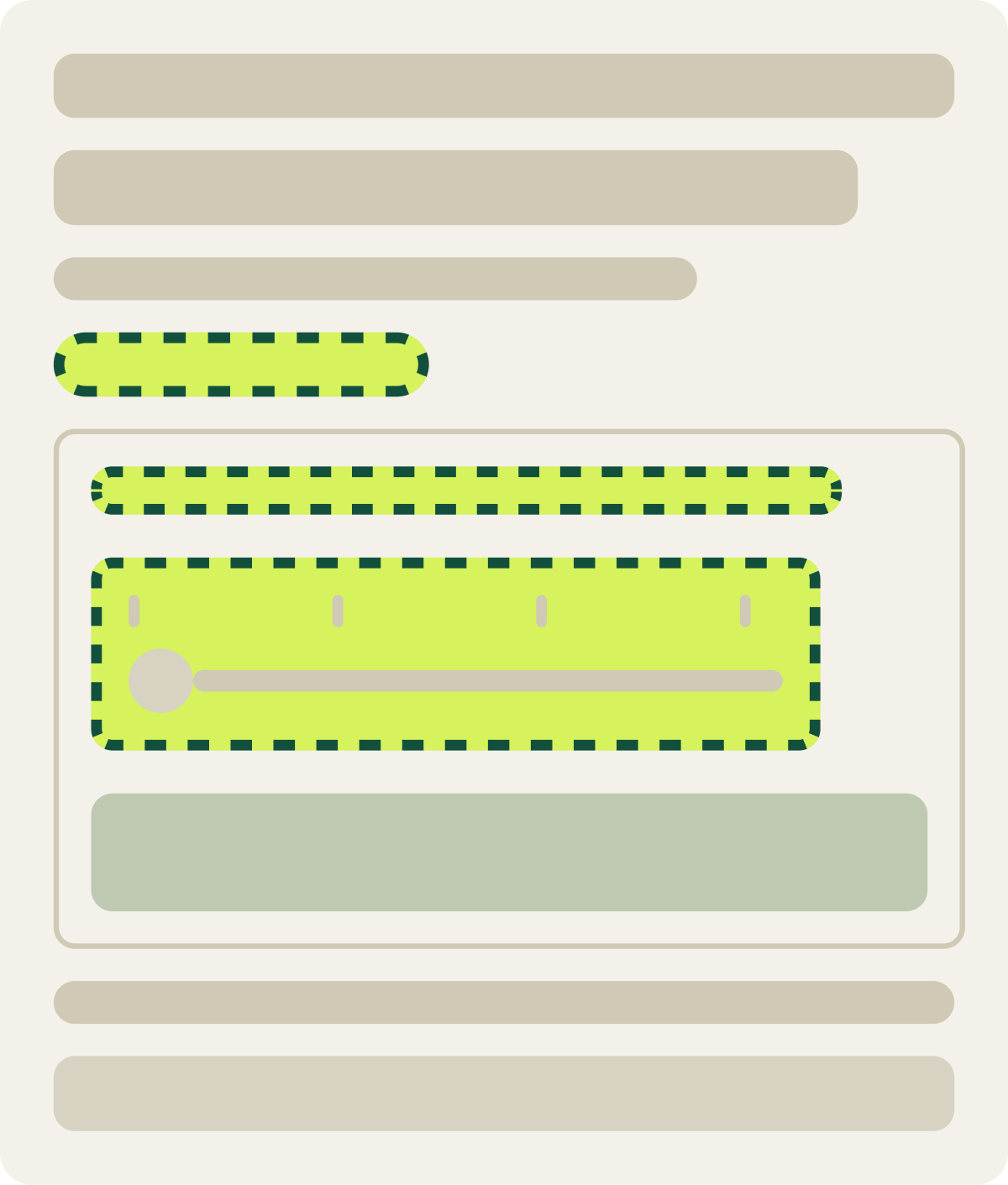
People hesitate when they do not know what they are signing up for. On another form, we told visitors up front that it was 5 questions, softened the wording on a sensitive question, and lowered the top value on a slider. Over 15 days, conversion rose 17.2%.
Each of those 3 changes lowered the cost of saying yes. Knowing the form is 5 questions tells visitors it will take a minute, not 10. Softer wording on a personal question makes it feel less like a judgment. A slider with a lower top value makes an honest answer feel normal instead of small. None of them asked visitors for less. They just made the ask clearer.
Evidence · Lead form · Won
Does setting expectations in lead form copy lift conversion?
15 days · responsive · We added a 5 question message, softer wording and a $30k slider.
+17.2% conversion
Read the full testNot every simplification wins. On a landing page, we removed everything below the fold once visitors started the form. Visitors preferred keeping that content: conversion fell 5.6% over 13 days, so we paused the test (see the test). Some visitors scroll down mid-form to reassure themselves. Take away distractions, not reassurance.
Finish: remove the surprises
For stores, the last stage is checkout, and it loses a lot of people. Most of the reasons are fixable: extra costs, slow delivery, trust worries, forced account creation and long forms. The same rule from our lead form tests applies. Fewer, simpler steps win. Show the full cost early, offer guest checkout, and put trust signals where people enter payment details.
For lead forms, the finish line is the thank you page. Use it. Tell people what happens next and when, so the lead you just earned does not go cold before your team calls.
Write each fix as a test
Every change above started as a hypothesis: by changing X, we will affect Y, resulting in Z. For the landing page, that read: by sending campaign traffic to a focused page with 1 next step, we will cut the paths away from the form, resulting in more leads. Writing it down forces you to name what you expect to move and why. When the result comes in, you learn something either way.
Plan for 2 full weeks of data before calling a test, and check results by device. A step that works on desktop can still lose people on mobile.
For more on fixing the step that loses the most people, see Conversion funnel optimization: fix the step that loses the most people. For the basics, see What is CRO in marketing?
Make each step smaller, clearer and more focused than the visitor expected.
Across 50 studies, the average documented cart abandonment rate is 70.22%. Leaving aside shoppers who were just browsing, the top reasons are extra costs (40%), slow delivery (20%), not trusting the site with card details (19%) and having to create an account (18%).
Baymard Institute 2025 · baymard.com ↗
Our lead form tests point the same way: fewer, simpler steps and clear expectations kept more people moving.
Frequently asked questions
Why are my website visitors not converting?
Usually because a step asks for more than they are ready to give: too many choices, unclear expectations, or a page that does not match why they came. Find the step where most people drop off and start there.
What is a good website conversion rate?
It depends on your industry, traffic source and what counts as a conversion. Compare your rate to your own past results by device and traffic source, and work to raise it step by step.
How do I turn website traffic into leads?
Send traffic to a page built for that visit, keep the first form steps simple, and tell visitors what to expect. In our tests, simpler first steps lifted conversion 34.0% and clear expectations lifted it 17.2%.
What makes visitors trust a website enough to buy?
Outside proof, clear costs and no surprises. Reviews, ratings and recognition near the decision point help, and so does showing the full cost before checkout.
Do landing pages convert better than a homepage?
For campaign traffic, often yes. In our test, a focused landing page with 1 clear next step lifted leads 17.8% over the homepage.
The evidence
The 3 tests this article leans on
Evidence · Homepage · Won
Does a dedicated campaign landing page beat the homepage for leads?
+17.8% conversion
Read the full testEvidence · Lead form · Won
Does simplifying the first 2 lead form steps lift conversion?
+34.0% conversion
Read the full testEvidence · Lead form · Won
Does setting expectations in lead form copy lift conversion?
+17.2% conversion
Read the full test