
Articles / Product Pages and Offers
How to increase average order value
What we found
Shoppers spend more when the extra spend feels like a natural next step: an add-on that extends the product, a modest upgrade or a fee with a clear reason. Judge every tactic on revenue per visitor, because a bigger basket that costs orders can lose money.
Average order value (AOV) is total revenue divided by the number of orders. If a store makes $12,000 from 300 orders, its AOV is $40. Raising it means each buyer spends more, so the same traffic brings in more revenue.
The catch is that AOV can rise while sales fall. A bigger default or a pricier offer can push some shoppers out. That is why I judge every AOV idea on revenue per visitor, which counts both how many people buy and how much they spend.
Here are 6 ways to raise order value, and what our tests showed about each.
1. Add-ons that extend the main product raise order size
The easiest upsell is more of what the shopper already wants. I look for lower-cost items that complete or extend the main product, then offer them right on the product page.
Take a teeth whitening kit that comes with 2 serum packs, enough for 2 weeks. Offering 2 or 4 more packs next to the kit fits how people use it. They are already planning to whiten, and the extra packs keep them going without a second order. It works because it feels like part of the purchase, not a sales pitch.
Good add-ons share 3 traits:
- They cost less than the main product.
- They make sense with it, such as refills, accessories or a longer supply.
- Shoppers can add them without leaving the page.
2. A preselected upgrade works when it costs less than double
Defaulting a product page to a middle option, often the most popular one, can raise order size, because many shoppers keep the default. But the size of the step matters.
In 1 test, we preselected the second, larger option on a product page. That option doubled both the quantity and the price. On desktop, revenue per visitor rose 5.6% while conversion slipped 3.4%, too small a gain to call. On mobile, conversion fell 18.8%, and we paused the test after 13 days.
Evidence · Product page · Not significant
Does preselecting the second option lift product page conversion?
19 days · desktop · We preselected the second quantity option in the product dropdown.

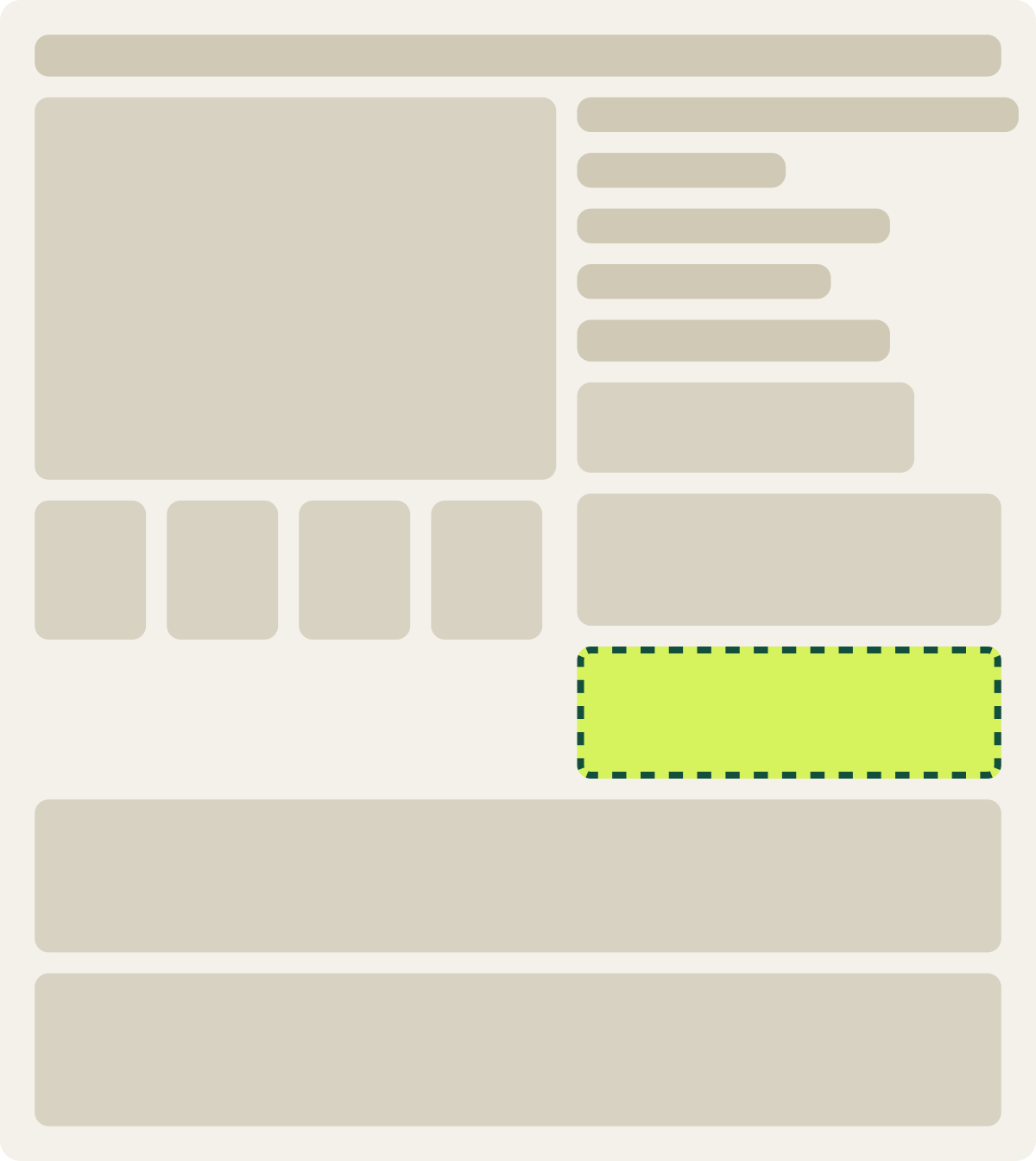
-3.4% conversion, +5.6% revenue per visitor
Read the full testWhat we learned is that doubling the price pushed many shoppers past their budget, so they paused and second-guessed the purchase. A default works when the next option is a modest step up, not a jump. The right step depends on how people use the product, so this is a change to test on your own store before you implement it.
3. Price anchoring lifted revenue per visitor 16.7% while order size held
Not every revenue gain comes from bigger baskets. When we showed the regular price with a line through it next to the sale price, plus the dollar amount saved, conversion rose 16.1% and revenue per visitor rose 16.7%.
Evidence · Product page · Won
Does a strike-through price with savings lift product page sales?
29 days · responsive · We added a struck-through list price and the amount saved to the price.

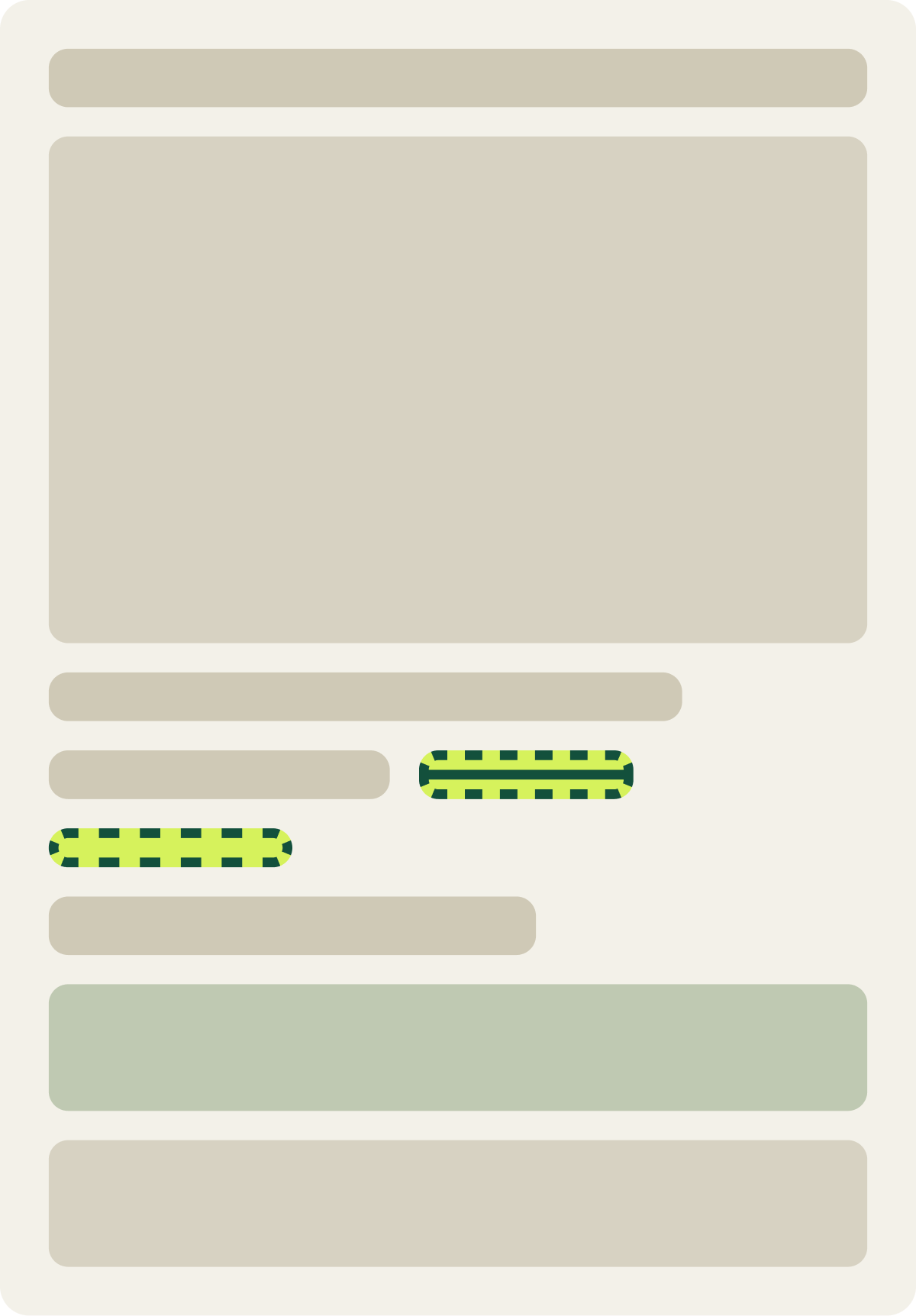
+16.1% conversion, +16.7% revenue per visitor
Read the full testOrder size stayed about the same, so the lift came from more shoppers buying. The anchor gives shoppers who don’t know the going price a reference point, and it gives comparison shoppers a clear discount. For AOV work, the lesson is that a change that brings in more buyers at the same order size can beat one that raises order size and loses buyers. We cover it in more depth in Price anchoring: what our A/B tests show.
4. Bundles and Buy 2 and Save give shoppers a reason to buy more
Bundles repackage products that already go together into 1 offer. I like them because a single bundle price is easier to take in than adding up several prices in a build-your-own setup. The shopper makes 1 decision instead of 3.
Quantity discounts, such as Buy 2 and Save, work the same way for a single product, and they suit items people use up and buy again. A few guidelines:
- Bundle products that complement each other, not leftovers you want to move.
- Show the bundle price and the savings side by side.
- Keep quantity tiers simple, such as 1, 2 or 3 units, so the best value is easy to spot.
5. A same-day shipping cutoff lifted revenue per visitor 12.8%
Delivery timing affects how much people buy, not just whether they buy. On a product page that already offered free shipping, we added “Ships today, order within 2 hours” next to the add to cart button. Conversion rose 7.5%, revenue per visitor rose 12.8%, and average order value rose about 5%.
Evidence · Product page · Won
Does a same-day shipping cutoff lift product page conversion?
20 days · responsive · We added a shipping message and stock status near the add to cart button.

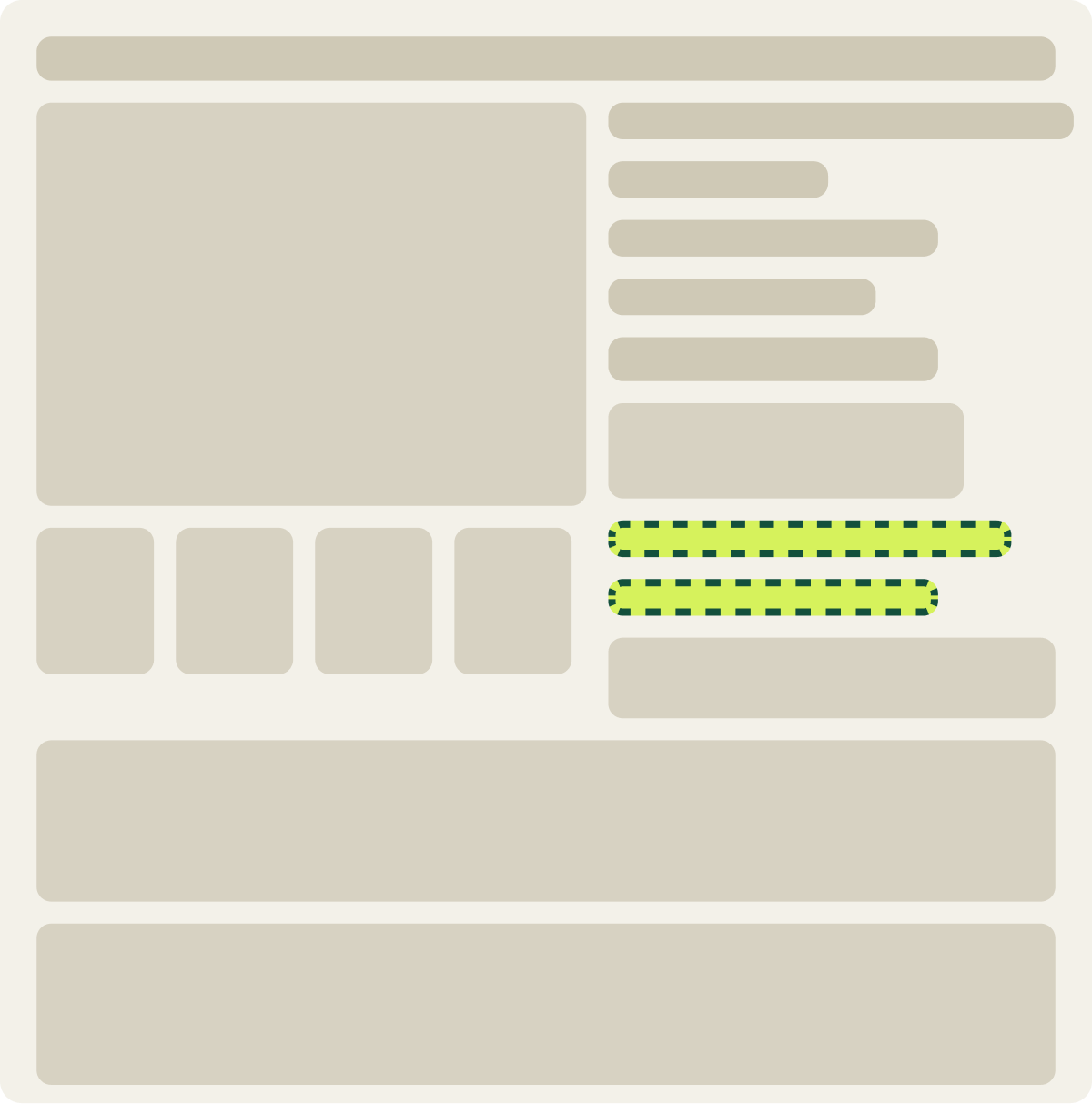
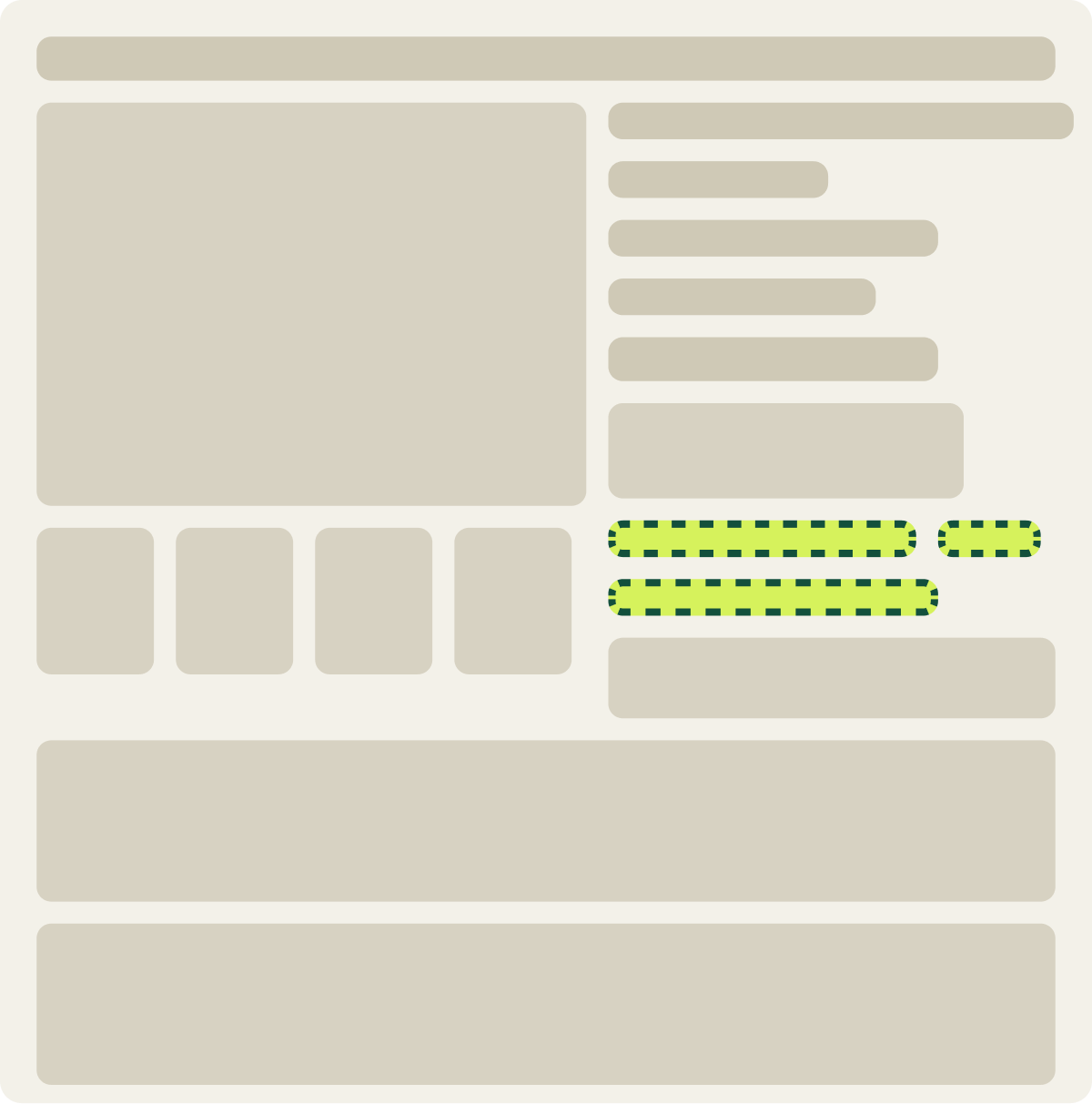
+7.5% conversion, +12.8% revenue per visitor
Read the full testA plain “Ships within 24 hours” message did about half as well. The deadline tied to the moment the visitor was looking made the difference. If you offer free shipping above a set amount, show that threshold in the cart as well, so shoppers have a clear reason to add 1 more item. See Where should shipping and delivery timing appear on a product page?
6. A $5 to $9 processing fee did not lower conversion
Fees have a bad reputation, and for good reason. Baymard Institute found that extra costs such as shipping, tax and fees are behind 40% of cart abandonments among shoppers who weren’t just browsing.
One store I worked with added a processing fee of about $5 to $9, scaled to the order value. The fee covered real costs: selecting, handling and packing each order with care so it arrived in good shape, plus shipping. Shoppers saw it in the cart and again at checkout, with that reason next to it. Conversion did not drop, and every order carried the extra amount.
Extra costs such as shipping, tax and fees cause 40% of cart abandonments among US shoppers who weren't just browsing.
2025 · baymard.com ↗
A $5 to $9 fee shown in the cart with a clear reason held conversion steady.
What made the difference was timing and honesty. The fee showed up early, it was explained, and it matched work shoppers could see the value of. A fee that appears for the first time at the payment step invites exactly the abandonment Baymard measured.
Shoppers accept a higher spend when it feels like a natural next step.
Extra spend held up when it extended the purchase, stayed a modest step up or came with a clear reason. It backfired when the jump felt too big for the shopper's budget.
Order value rises when the extra spend feels like the next step, not a leap.
Judge every AOV change on revenue per visitor
AOV is easy to raise and easy to misread. A bigger default can lift AOV while costing you orders, as our preselected upgrade test showed on mobile. Revenue per visitor captures both sides, so it is the number I use to call AOV tests.
My order of attack: start with add-ons and bundles on your top-selling products, since they add spend without taking choices away. Then test defaults and shipping messages, and watch mobile closely, where a bigger price jump costs the most. Our conversion rate optimization process ranks ideas like these by potential, importance and effort, so the biggest wins go first.
Frequently asked questions
Do product bundles increase average order value?
Yes, when the products complement each other. A bundle turns several decisions into 1, and a single price is easier to accept than adding up separate items. Show the savings next to the bundle price.
How do you increase average order value on Shopify?
Start with add-ons on the product page, bundles or Buy 2 and Save offers, a free shipping threshold shown in the cart, and a preselected option that is a modest step up. Test each one against revenue per visitor before you implement it.
How do you increase conversion rate and average order value at the same time?
Pick changes that remove doubt or add value without taking choices away. In our tests, a same-day shipping cutoff raised conversion 7.5% and average order value about 5%. Changes that raise the first price a shopper sees, such as a bigger default, often trade conversion for order size.
How do you increase average order value at checkout?
Show a free shipping threshold and how far the shopper is from it, offer 1 low-cost add-on, and keep any fees visible from the cart onward. Avoid adding new costs at the payment step, where extra costs drive abandonment.
What is a good average order value?
It depends on your price points and category, so compare against your own history rather than a benchmark. The better goal is rising revenue per visitor: AOV that grows while conversion holds steady.
The evidence
The 3 tests this article leans on
Evidence · Product page · Not significant
Does preselecting the second option lift product page conversion?
-3.4% conversion, +5.6% revenue per visitor
Read the full testEvidence · Product page · Won
Does a strike-through price with savings lift product page sales?
+16.1% conversion, +16.7% revenue per visitor
Read the full testEvidence · Product page · Won
Does a same-day shipping cutoff lift product page conversion?
+7.5% conversion, +12.8% revenue per visitor
Read the full test