
Does a sticky button back to the form lift location page leads?
Our location pages had no quick way back to the lead form once visitors scrolled past it. We tested a sticky button back to the form and softer form copy. Leads measured +0.1% over 15 days, a neutral result.
Not significant Responsive 15 days Not called
The hypothesis
By adding a sticky button back to the lead form and reframing the form around a month in the destination, we will make the ask feel less like a sale, resulting in more form submissions.
Visitors interested in a destination were not submitting the lead form. Once they scrolled past it, the page gave them no easy way back, and the form's wording read as transactional for an audience that is often 6 months away from a decision.
We wanted a softer, curiosity-led ask that stayed within reach as visitors read.
What we changed
We added a sticky button back to the form and softened the form copy.
The variation added a sticky button that took visitors back to the lead form, with copy inviting them to discover their month in the destination. It also rewrote the form headline around what a month there looks like and added a line about stories from people who had already made the trip.

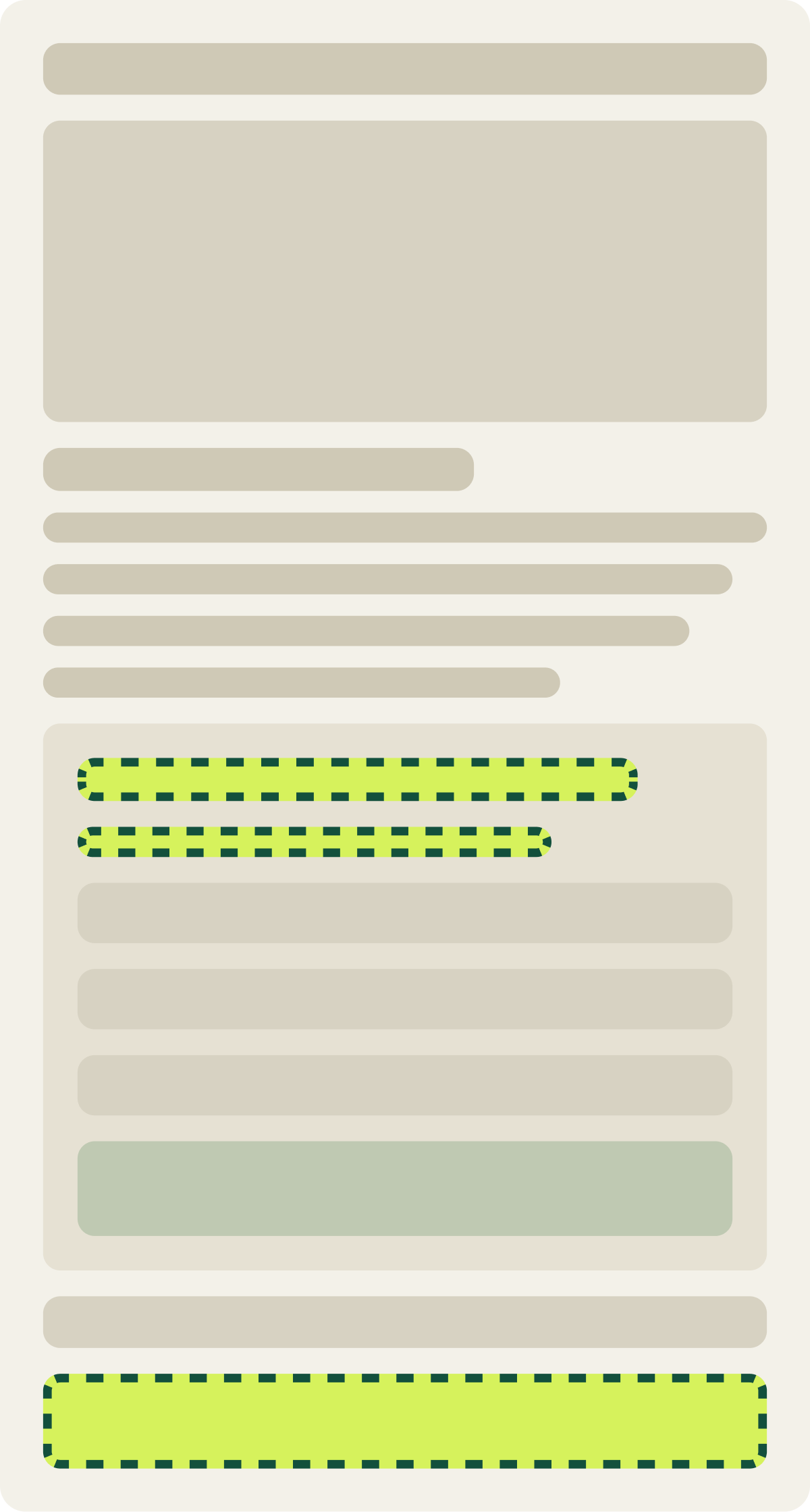
- Sticky button back to the lead form
- Form headline about a month in the destination
- Subhead mentions stories from past travelers
The result
Leads measured +0.1% over 15 days, a neutral result.
The results were noisy for the first 2 weeks and never settled into a trend either way. After 15 days the variation and the control were level, so we paused the test as neutral.
What we would do next
A softer ask and a sticky button did not change form use.
Visitors who wanted the form could already find it, and those who did not were not won over by softer wording. The next step is to look at what comes before the form, such as the destination content and imagery, rather than the form itself.