
Does a checkout countdown timer lift desktop conversion?
Desktop checkout gave shoppers no reason to finish now. We added a subtle 15 minute countdown timer to the checkout pages. Conversion fell 8.7% and revenue per visitor 17.1% over 14 days.
Lost Desktop 14 days Called at 90% Reviewed
The hypothesis
By adding a subtle countdown timer to checkout, we will add urgency and keep shoppers moving, resulting in more completed orders.
Shoppers who reach checkout have already chosen what to buy, and a short delay can turn into a lost order. A timer gives them a reason to finish now.
We kept it subtle: a 15 minute countdown that collapsed when it ran out, so it would not block the page.
What we changed
We added a subtle 15 minute countdown timer to desktop checkout.
The timer counted down from 15 minutes on the checkout pages, then collapsed out of the way. Nothing else in checkout changed. The test ran on desktop over the holidays.
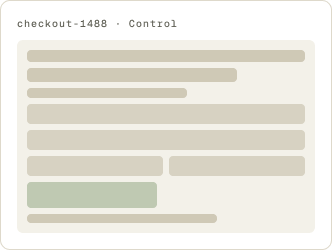
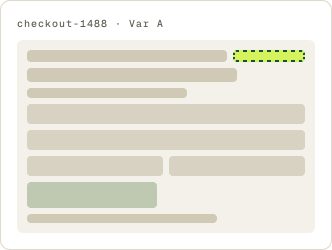
- 15 minute countdown timer added
- Timer collapses when it runs out
- Shown on the checkout pages
The result
Conversion fell 8.7% and revenue per visitor 17.1%.
Revenue per visitor fell further than conversion, so average order value dropped too, by about 9%. Fewer shoppers finished checkout, and those who did spent less.
The test ran over the holidays, when traffic and intent shift. We paused it after 14 days.
What we took from it
A timer at checkout added pressure, not motivation.
Shoppers at checkout had already decided to buy. The timer gave them a deadline they had not asked for, and fewer of them finished. Holiday shoppers may have been more sensitive to that pressure, so the size of the loss is less certain than its direction.