
Does purchase button wording with a price lift guide sales?
Our buying guide's buttons read check latest price. We tested purchase wording, a visible price with the retailer named, and a retailer label. Conversion fell 19.8% over 20 days and was not significant.
Not significant Mobile 20 days Not called
The hypothesis
By making the buttons and offers feel more like shopping, with purchase wording and the price shown, we will set clearer expectations, resulting in more readers buying after the click.
Most readers come to the guide to learn, not to buy, but the site earns when they buy at the retailer. The buttons said check latest price, which is passive and gives no hint of what happens next.
In usability sessions, some readers did not expect to land on a retailer's site. Showing the price and naming the retailer could set that expectation before the click.
What we changed
We tested purchase wording, prices and the retailer name on the offers.
The control buttons read check latest price. Var A changed them to purchase wording that named the product. Var B showed the price on each offer and named the retailer. Var C changed the button to check price at the named retailer.
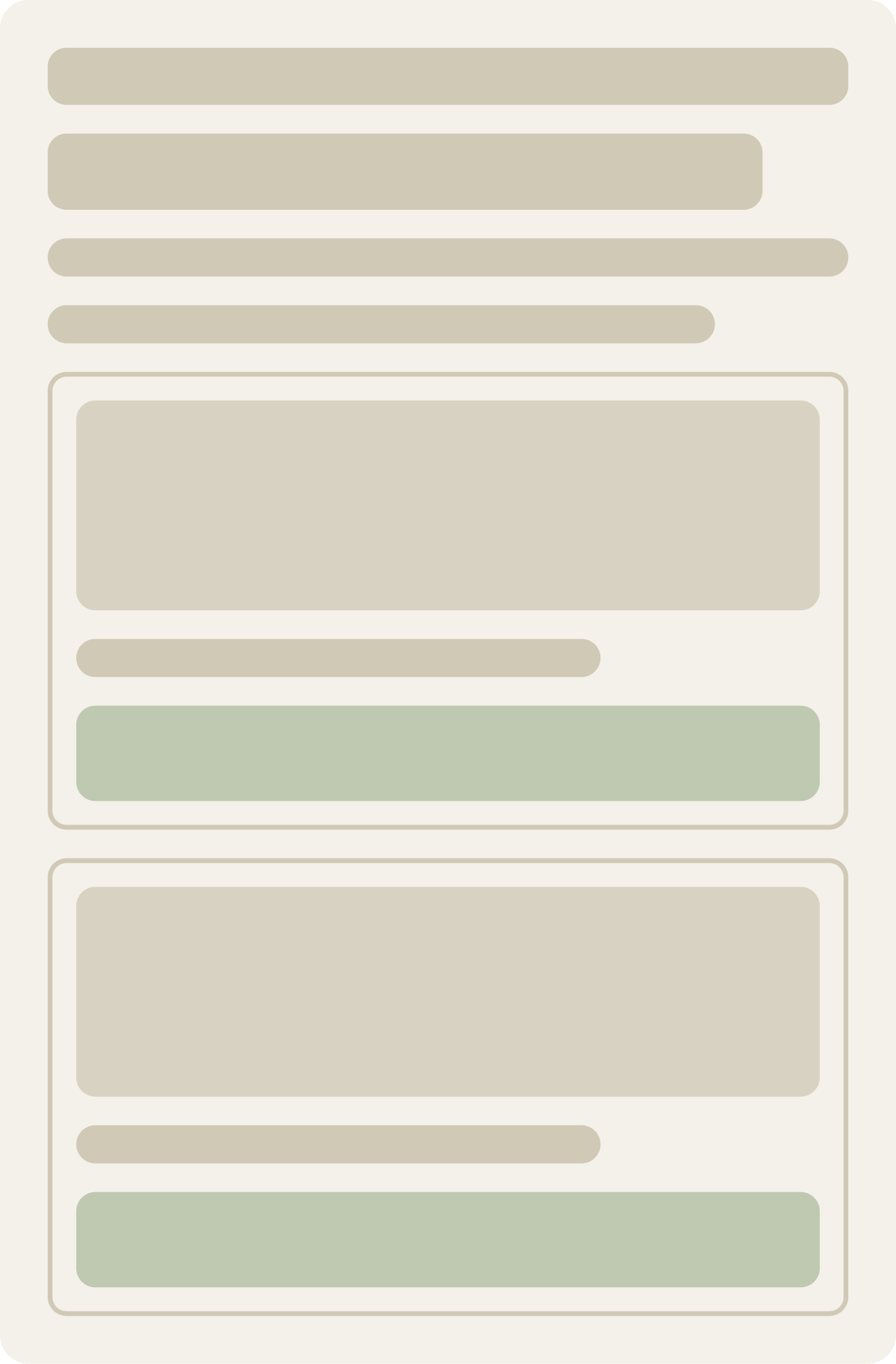
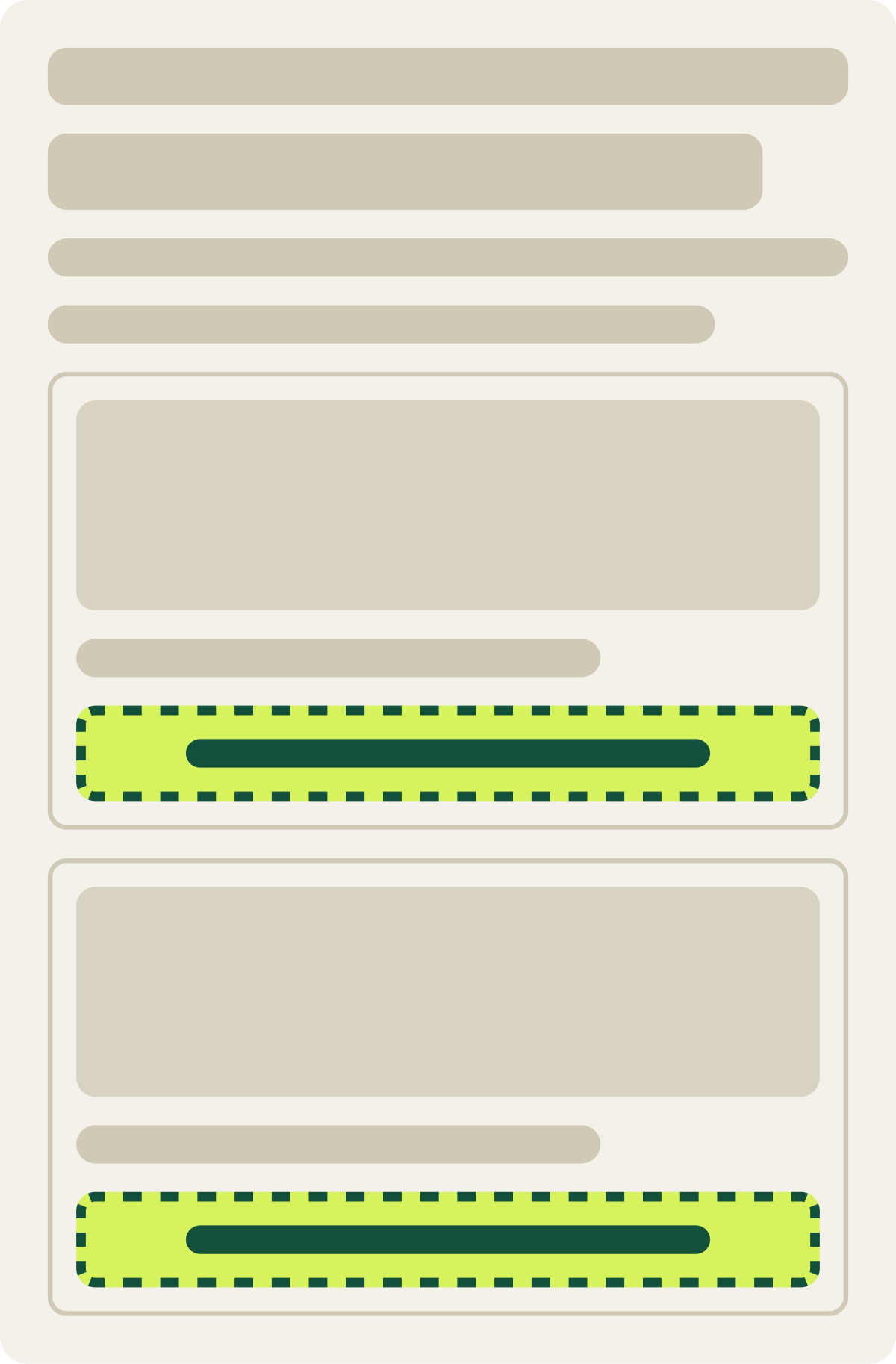
- Button uses purchase wording
- Button names the product
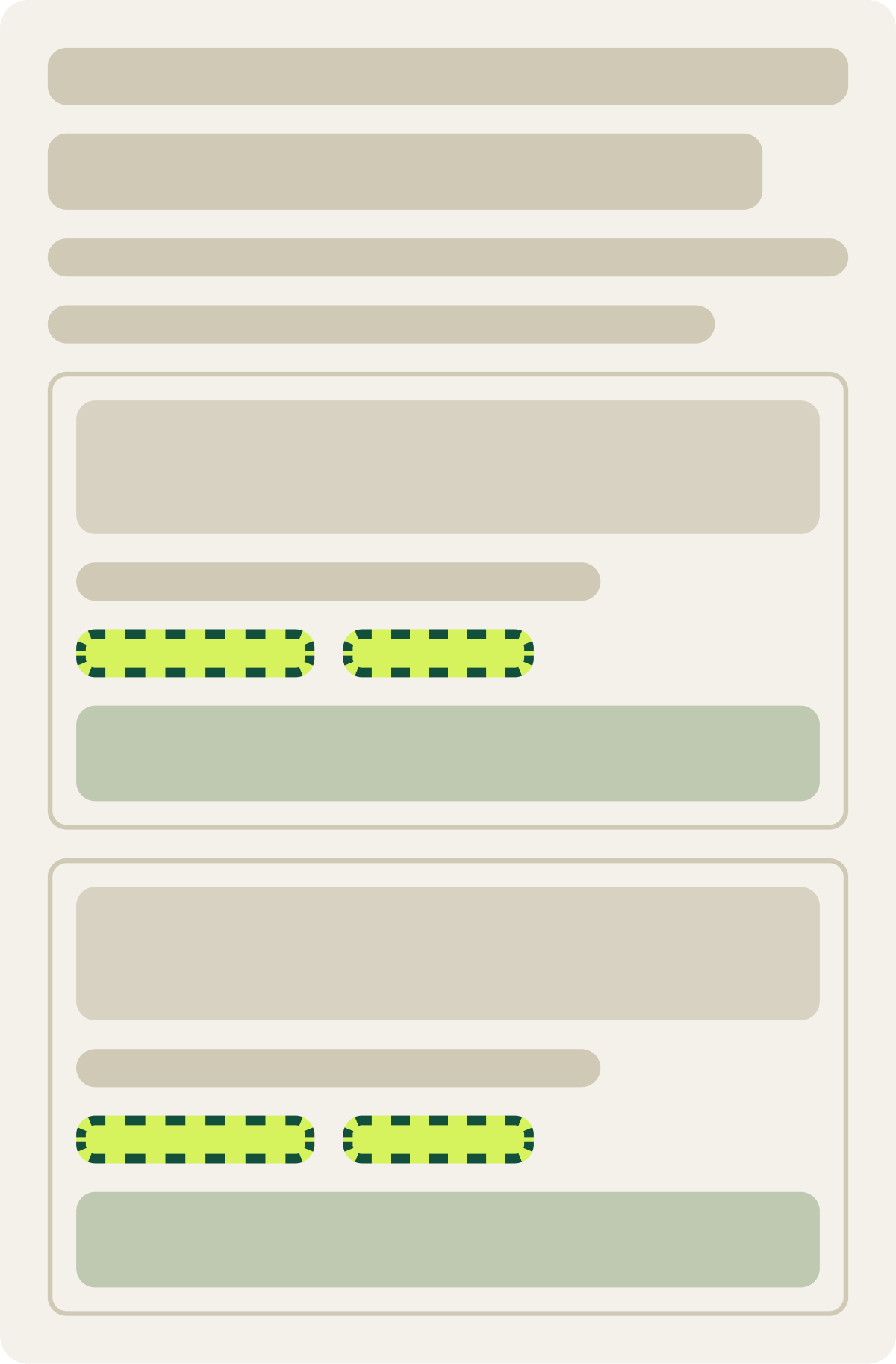
- Price shown on each offer
- Retailer named on each offer
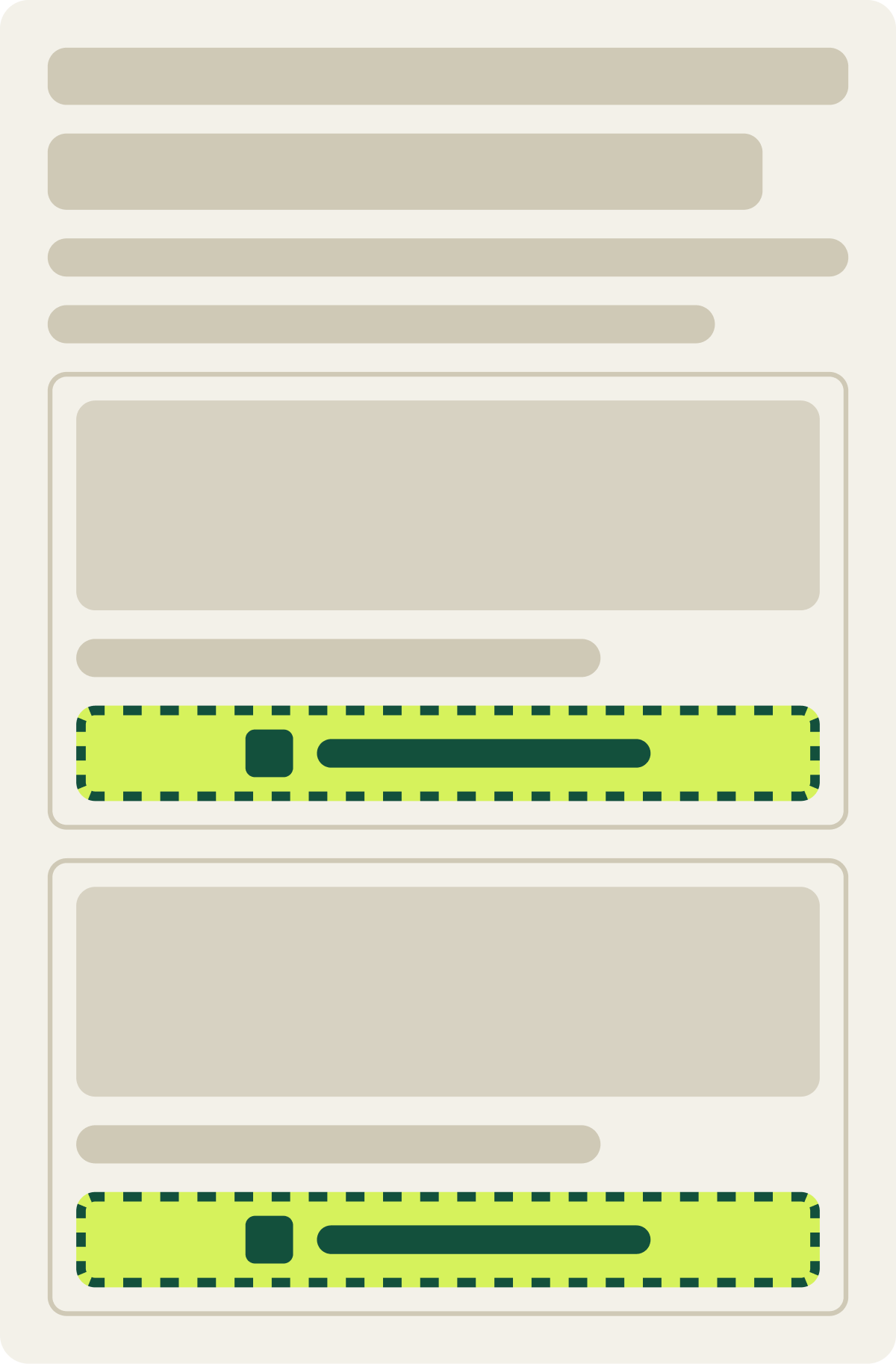
- Button names the retailer
The result
Conversion fell 19.8% over 20 days and was not significant.
Traffic to this guide was slow, so data built up slowly. After 20 days, conversion was 19.8% below the control and had not reached our confidence bar. We paused the test to free the traffic for ideas with more promise.
What we would do next
Shopping cues did not lift sales from a reading audience.
Readers here were in research mode. Purchase wording and prices did not pull them into buying, and the trend was down. We would retest purchase cues only on guides with enough traffic to read a result quickly.